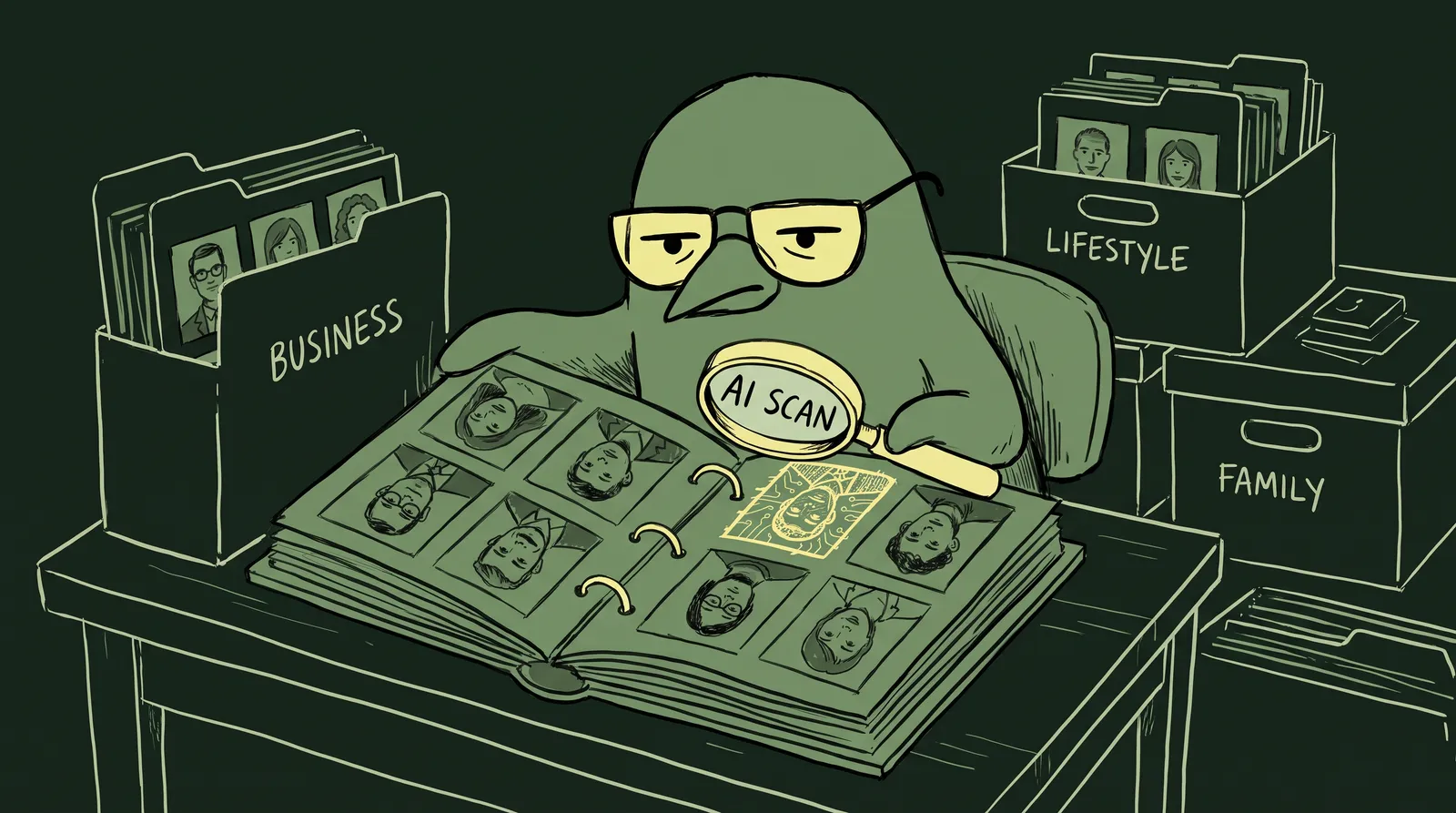
Open a stock photo site and search for "businesswoman smiling in office." A few years ago, every result was a real person, shot by a real photographer, in a real office. Today, closer to half of what you're scrolling through was never photographed at all.
That is not a guess. A photo producer named Robert Kneschke has tracked Adobe Stock's catalog since 2023, and his numbers show AI-generated images went from 2.5% of the library to roughly 48% in two years. Adobe disputed the exact figure when PetaPixel asked about it, but the company didn't offer a different number either. The direction isn't in dispute. Stock photography, an industry built on documenting real people doing real things, is now mostly synthetic in at least one major library, and the faces you assume are real might not be. It's part of a broader shift, one Gen Z and millennials are already living on the other side of, where a synthetic face is no longer an obvious tell.
Half of what's in the library was never photographed
Kneschke's tracking is blunt. In May 2023, Adobe Stock held 8.5 million AI-generated images. By April 2025, that number had grown to 313 million, out of roughly 655 million images total. In under two years, contributors uploaded nearly as many AI images as photographers had uploaded real ones in the platform's entire 20-year history.
That growth didn't happen because Adobe looked away. Adobe Stock has a formal generative AI policy: contributors must check a box marked "Created using generative AI tools" when they submit synthetic work, and a second box if the image shows a "fictional" person, according to Adobe's own contributor guidelines. The labeling exists. It just doesn't stop a buyer from searching "smiling employee" and getting a wall of results where half the smiles belong to nobody.

One company banned AI. The same company now sells it
Not every stock library made Adobe's call. Getty Images banned AI-generated submissions from contributors back in September 2022, with CEO Craig Peters citing "unaddressed rights issues" around how the underlying models were trained, as reported by Engadget. Shutterstock took the same position for a similar reason: it can't verify that a contributor actually owns the intellectual property behind an AI-generated image, since the model that produced it was trained on other people's work, according to Shutterstock's contributor FAQ. If you're licensing a photo from either library today, in theory, a human took it.
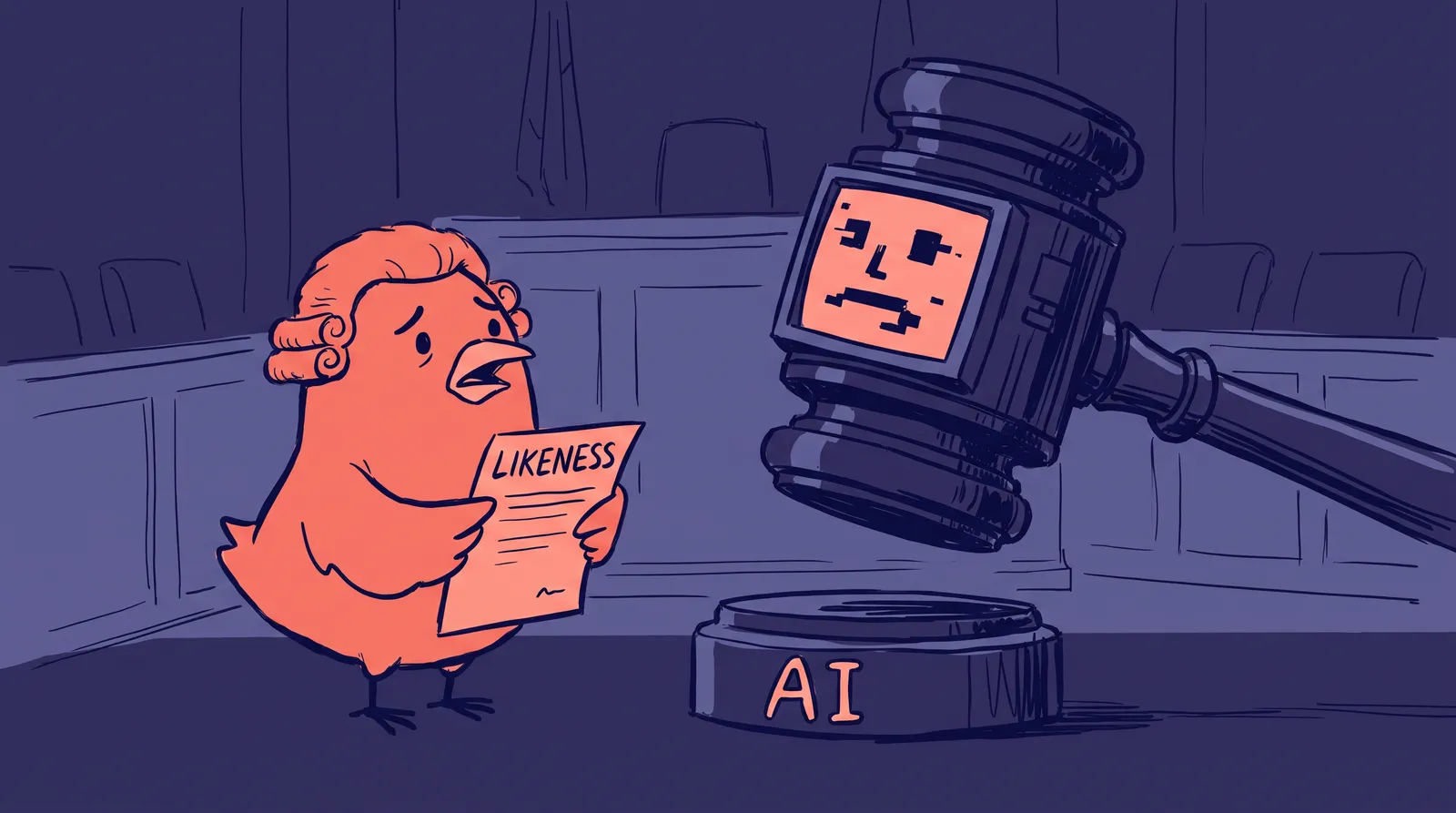
Here's the part that trips people up. Getty didn't stop at banning AI content. In 2023 it launched "Generative AI by Getty Images," a tool that generates new images on demand, built on NVIDIA's Edify model architecture through NVIDIA's AI Foundry and trained only on Getty's own licensed library, per Getty's newsroom announcement. Getty upgraded the tool again in 2024 for speed and image quality. So the same company refuses to resell a contributor's AI-generated cat photo, while selling you a brand-new AI-generated cat photo of its own, fully indemnified. The ban was never about AI images existing. It was about who controls the training data and who gets paid when it works.
The fake writer with a real byline
In 2023, Sports Illustrated published product reviews under bylines whose headshots belonged to nobody. It's the clearest warning yet of what happens when a synthetic face slips through without a label.
In November 2023, journalist Maggie Harrison Dupre at Futurism started pulling on a simple thread: who were the people credited by name on a run of Sports Illustrated product review articles? One author, "Drew Ortiz," had a professional headshot and a short bio. Neither belonged to a real person. Futurism traced the photo back to a marketplace that sells AI-generated headshots, and found other supposed SI writers with the same problem: invented names, invented bios, and stock-style AI faces standing in as their photos.
Sports Illustrated's publisher, The Arena Group, said the articles came from a third-party content partner, AdVon Commerce, which had used pen names without authorization, and it cut ties with the vendor once Futurism started asking questions. The AI-written authors quietly disappeared from the site. What makes the story worth remembering isn't the AI text. Outlets have survived worse editorial mistakes. It's that a synthetic headshot was doing real reputational work, standing in for a trustworthy human byline, until someone thought to check.
Six tells that still catch a synthetic face
AI faces aren't undetectable, even now. Some tells from 2023 have mostly closed, like six-fingered hands in simple resting poses. Others haven't. According to a detection guide from security awareness site CanIPhish, the details still worth checking are:
- Hands doing anything complex. A hand gripping an object at an angle, overlapping another hand, or partly hidden by hair still trips models up more than a relaxed, open hand does.
- Text in the background. Signage, labels, and screens behind the subject are where garbled letters and nonsense words most often survive.
- Accessories and clothing. Watch for straps that seem to float, buttons that appear on both sides of a shirt, or fabric that folds in a way real cloth wouldn't.
- Teeth. Real teeth have gaps, slight color variation, and visible boundaries between them. AI teeth often blend into one uniform white strip.
- Facial symmetry. Real faces are asymmetrical. One eye sits fractionally lower than the other, one side of the mouth curls differently. Perfect mirror symmetry is a flag.
- Groups of people. When multiple figures share the same head tilt, the same smile, or arms posed at matching angles, that's a copy-paste tell rather than a coincidence.
None of these checks takes more than a few seconds once you know to look. The problem is that almost nobody looks. The same instincts apply to spotting the uncanny valley in an AI-generated headshot: it's usually one small detail breaking the illusion, not the whole face.

Why your eyes keep losing this test
Even people who try to check are failing at close to a coin flip. Conjointly surveyed 301 US adults in September 2025, showing each person six real photographs and six images generated with Google's Gemini 2.5 Flash model, then asking them to sort real from fake. Participants correctly identified real photos 49% of the time and AI photos 52% of the time, both statistically indistinguishable from guessing. Only 9% of respondents got at least 70% of the images right, down from 25% in a comparable study Conjointly ran in June 2023.
The unsettling part isn't the accuracy. It's the confidence gap next to it: 42% of respondents said they felt "confident" or "extremely confident" in their ability to spot an AI image, despite performing no better than chance. People aren't just losing the ability to tell real from synthetic. They're losing it while believing they still have it, which is the same gap that makes it hard to tell an AI headshot from a real photo on a single LinkedIn profile.
The label the law is about to require
Regulation is catching up to the labeling problem, slowly and from more than one direction.
On copyright, the US Copyright Office concluded in a report published in early 2025 that images generated purely from a text prompt aren't copyrightable, because prompting alone doesn't give a person enough control over the specific expressive details of the output. That has a practical effect on stock libraries: a purely AI-generated image in a catalog may carry a much weaker ownership claim than a photograph does, which is part of why Getty and Shutterstock have been cautious about reselling contributor-submitted AI work in the first place. It's a narrower question than who owns the rights to a person's AI-generated likeness, but it comes from the same unsettled legal ground.
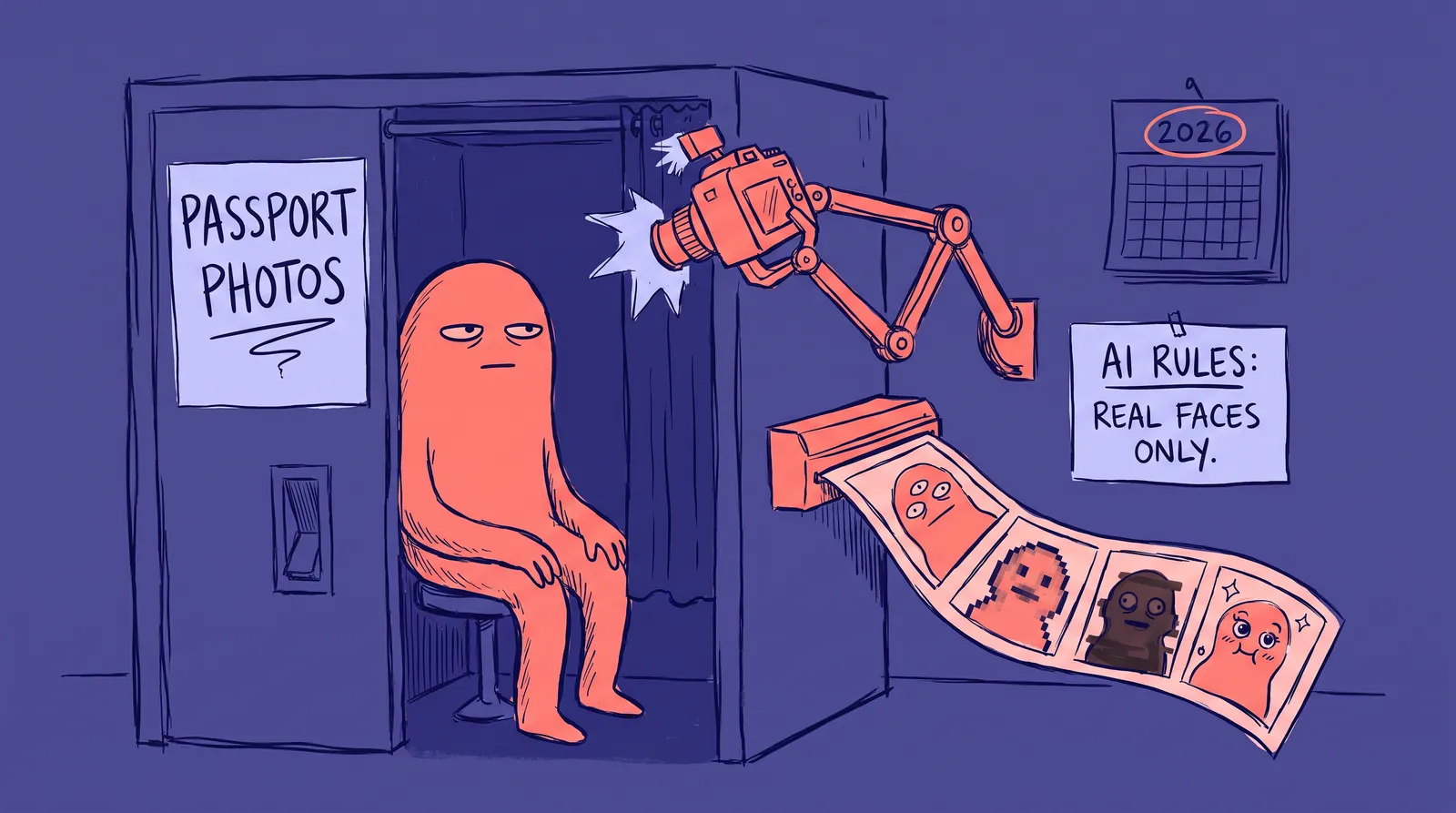
On disclosure, the EU's AI Act adds a harder rule. Article 50, which applies from August 2, 2026, requires that any "deepfake" (AI-generated or manipulated content that resembles a real person, place, or event closely enough to appear authentic) be labeled as artificially generated, according to a legal breakdown of the article. Notably, that obligation applies even when nobody intended to deceive anyone. A stock photo of a "smiling employee" that happens to resemble a real, identifiable style of person could fall under scrutiny depending on how the rule gets applied in practice.
Standards groups are building the plumbing to make that labeling automatic. The Coalition for Content Provenance and Authenticity, or C2PA, embeds cryptographically signed metadata in a file recording where it came from and whether AI touched it. Google has already built C2PA support into Pixel camera hardware, and TikTok now requires labeling for realistic AI content, per the Content Authenticity Initiative's 2026 report. None of that helps you today, scrolling through a stock library with no visible marker at all. But it's the direction the picture is being pushed in.
What to do with a picture you can't verify
None of this means you should stop using stock photography, or that every AI stock face is a problem waiting to happen. A background texture or a generic office scene rarely needs a real, identifiable person behind it. The risk shows up specifically when a synthetic face is standing in for a human who's supposed to be real, the way "Drew Ortiz" stood in for a Sports Illustrated writer, or the way an AI headshot could stand in for a company's "team" page.
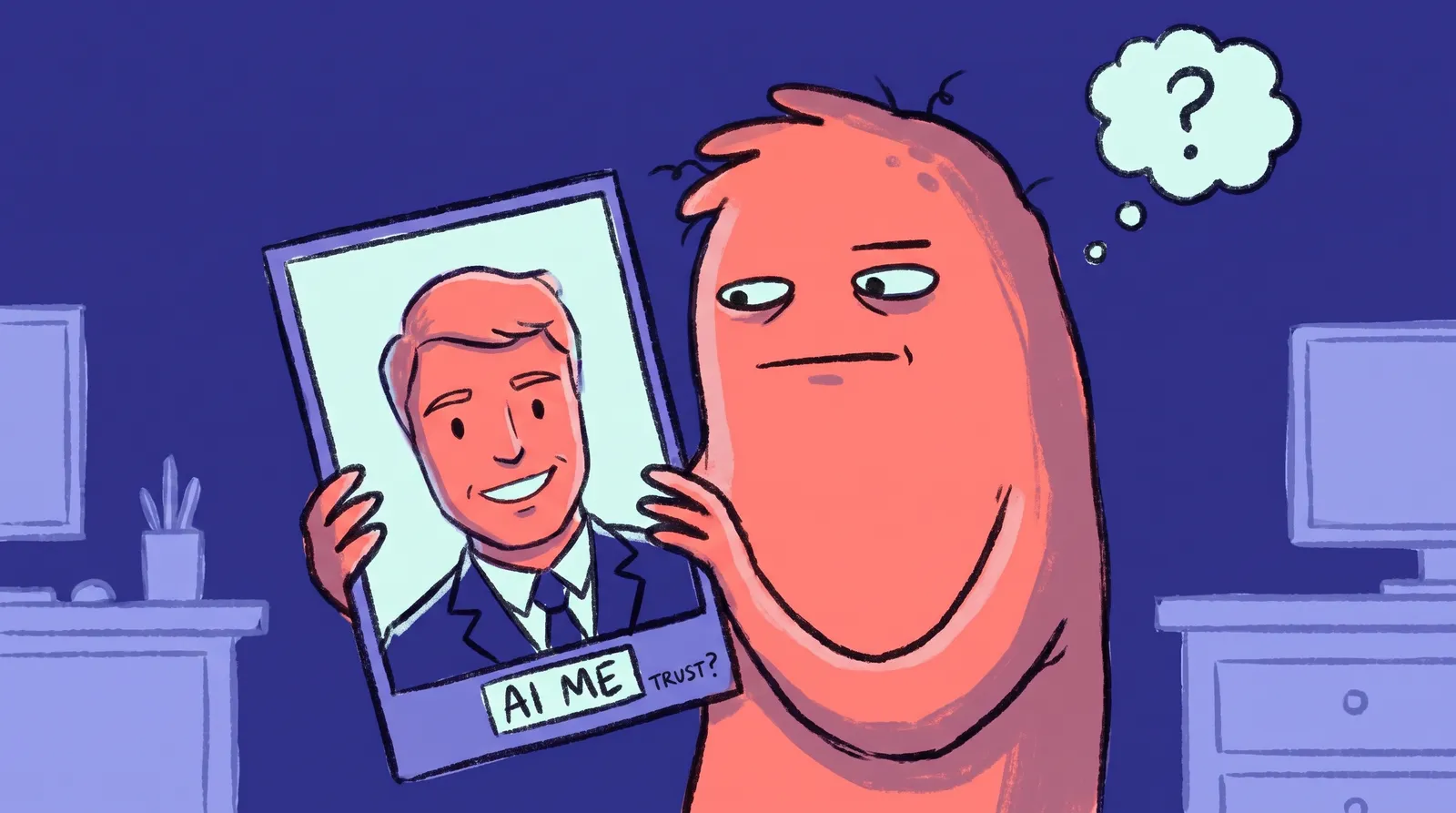
Whatever you're placing that face on, err on the side of disclosure rather than letting it pass as documentary. Tools that generate professional AI headshots, including Starkie AI, exist precisely because a synthetic photo has a legitimate place when it's used honestly: a founder without a studio budget, a remote worker who needs a LinkedIn photo, a small team building a website before they've hired a photographer. The failure mode isn't AI images existing. It's AI images pretending to be something they aren't, in a context where the difference actually matters.
Stock photography spent a hundred years selling the idea that its faces were interchangeable stand-ins for reality. That premise still holds, just not in the way the industry meant it. Half the "reality" you're buying now was generated, not captured, and the burden of telling the difference has quietly shifted from the library to you.