When did "this is me" stop meaning a real photo?
Somewhere between the first Bitmoji sticker and the 274 millionth Roblox avatar update of the day, the answer got complicated. Consider a 24-year-old designer in 2026: her LinkedIn shows a polished AI headshot with perfect lighting, her TikTok features an anime-style avatar delivering UX tips, and her Roblox character has its own wardrobe, lore, and followers. She doesn't see any of these as fake. They're all her.
The boundary between real and digital identity is dissolving, and the platforms and tools driving that shift say a lot about how younger generations understand authenticity, safety and self-expression. What follows traces the cultural roots of avatar culture, the platforms accelerating it, the psychology behind it, and where professional identity fits in a world where your face is one option among several.
From selfies to synthetic selves: A brief history of the profile photo
The profile photo has always been a performance. It just used to be a less obvious one.
In the MySpace era, the famous "MySpace angle" (camera held high, face tilted up) was pure curation disguised as candid. Facebook's real-name policy in the late 2000s pushed things toward "authenticity," insisting your digital presence should mirror your physical identity. Then Instagram arrived and shifted the benchmark from authentic to aspirational. Tools like VSCO and FaceTune normalized editing until the line between a "real" photo and a constructed image was already blurring.
The true pivot came in the mid-2010s. Snapchat acquired Bitmoji in 2016, and suddenly millions of users had a customizable cartoon version of themselves living in their chats, on their maps, and in their games. Nobody questioned whether it was "real." Apple's Memoji followed in 2018, letting users map their actual facial expressions onto animated characters in real time. A cartoon that moves like you? That felt like identity, not fiction.
Then came the pandemic. Zoom fatigue from 2020 to 2021 made people acutely aware of being on camera. The demand for virtual backgrounds, avatars, and anything that wasn't a raw, tired face on a laptop screen exploded. People wanted a break from their own image.

By 2025 and 2026, AI image generation became cheap, fast, and accessible enough that creating a photorealistic-but-idealized persona became a 10-second task, not a Photoshop project. That's the tipping point we're living through right now.
Platform by platform: Where avatar culture is taking over (and where it isn't)
Avatar culture doesn't look the same everywhere. Some platforms were born for it. Others are still resisting.
Discord and gaming ecosystems
Discord, Roblox, and Fortnite are the native home of avatar identity. Users have always been their characters here, and the economics reflect it.
Roblox reached 144 million daily active users by Q4 2025, a 69% year-over-year increase. Users updated their avatars an average of 274 million times per day in 2025. That's not a static profile photo. That's a living, breathing form of self-expression. Creators collectively earned over $1.5 billion through Roblox's Developer Exchange program, with the top 1,000 creators averaging $1.3 million each. Brands like Nike, Gucci, Vans, and McDonald's sell digital merchandise through custom Roblox worlds, reinforcing brand identity through user avatars.
Fortnite generated an estimated $6 billion in revenue in 2025, driven overwhelmingly by cosmetic sales. A Fortnite skin functions exactly like streetwear in real life: it signals community membership, status, and creative taste. The November 2024 "Remix Finale" event hit an all-time concurrent peak of 14.3 million players, making avatars the essential participants in a global cultural moment.
X and TikTok
The 2021/2022 NFT PFP boom normalized using a non-photo asset as your primary identity marker. By 2026, that concept has evolved from purchased static images to dynamic, self-generated AI PFPs. Illustrated personas and abstract art profile photos are entirely mainstream, especially in tech, crypto, and creator communities where separating your creator persona from your real-world identity is a deliberate strategy.
Instagram: The holdout (sort of)
Instagram remains the most photo-forward major platform. But cracks are forming. Stories and Reels have introduced avatar features, and a growing cohort of creators maintain a "character" or AI-generated persona account separate from their real face. The line between influencer and avatar culture is getting harder to draw.
LinkedIn: The last bastion
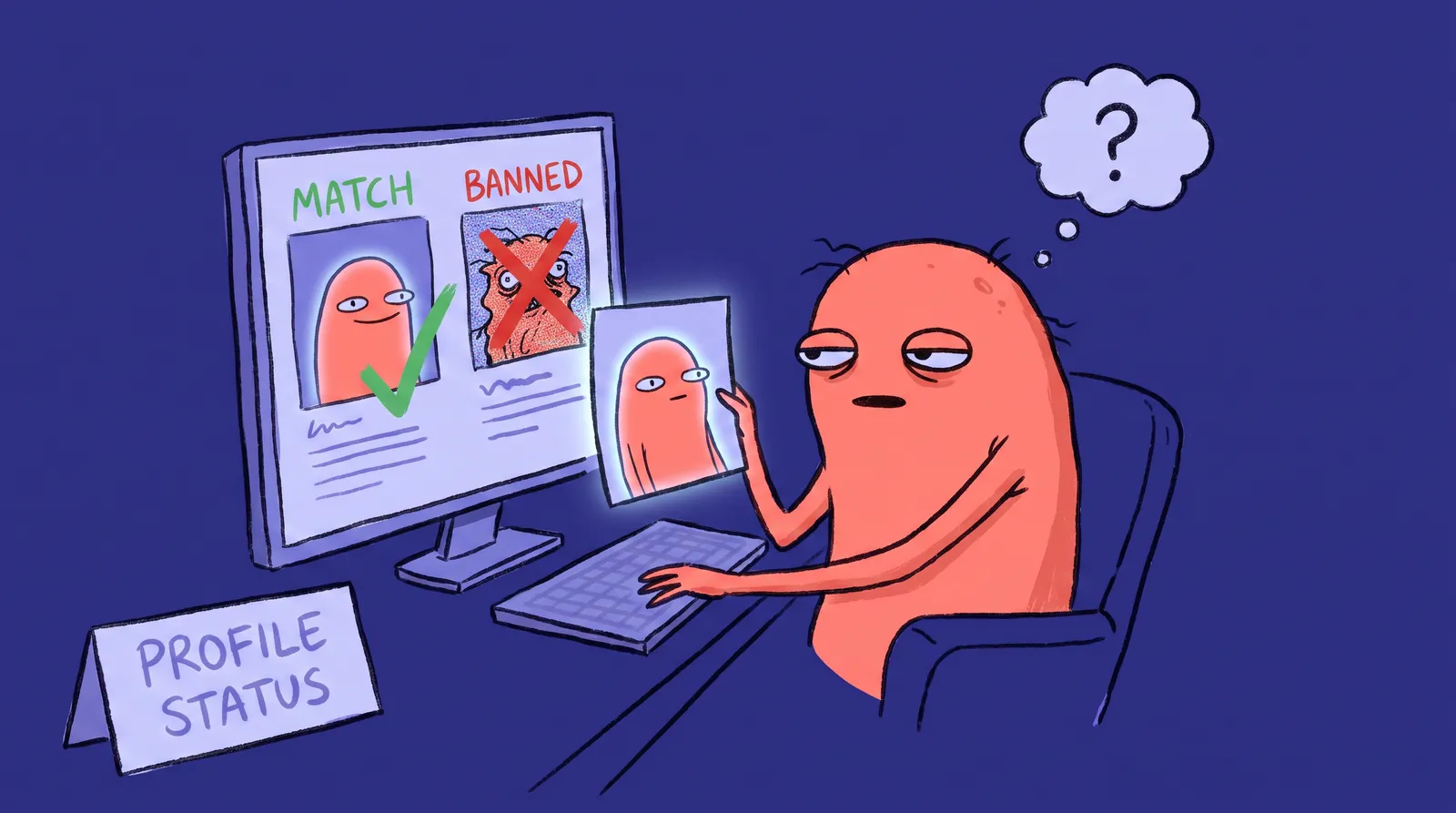
Professional networks remain the strongest holdout for real-photo expectations. Yet even here, the ground is shifting. AI-polished headshots represent a professional middle ground: still you, but optimized for lighting, framing, and polish that a smartphone selfie can't deliver. The debate about whether AI headshots cross an authenticity line in hiring contexts is growing louder, but the trend is clear.
TikTok's "digital twin" trend
In 2026, several creators use AI-generated video avatars that mimic their voice and mannerisms, posting content without ever appearing on camera. Platforms like HeyGen and Synthesia make this possible with just a few reference photos or minutes of video footage. It's a preview of where avatar culture is heading: from static images into motion.
The psychology behind the pixel
This isn't just a tech trend. It's a psychological shift.
The Proteus effect
Research from Stanford's Virtual Human Interaction Lab demonstrated something fascinating: people's behavior changes to match their avatar's appearance. Participants given taller avatars negotiated more aggressively. Those given more "attractive" avatars were more open and friendly. Most importantly, these behavior changes transferred to subsequent face-to-face interactions.
For Gen Z, an avatar isn't escapism from the real self. It's aspiration made visible. Curating an idealized avatar, one that's more confident, more stylish, more expressive, can actively reinforce those desired traits offline.
Privacy as a value
Unlike Millennials who grew up sharing everything for connection, Gen Z treats personal data as something to protect. That includes their face. An AI avatar lets you maintain an active social presence without surrendering biometric data to every platform's facial recognition pipeline. This makes the avatar a strategic choice, not a retreat.
Identity fluidity
Gen Z is statistically more likely to hold fluid identities across gender, interests, and social groups. An avatar can shift to reflect that fluidity in ways a static headshot cannot. A different look for your gaming community, your professional network, your creative portfolio. Each context gets the version of you that fits.
The "uncanny valley" of the real
There's an irony in it. Hyper-filtered Instagram culture made real photos feel performative and exhausting, while an AI avatar is at least honest about being constructed. It doesn't pretend to be a candid moment, and some younger users find that more authentic rather than less.
Mental health relief
For users with social anxiety or body dysmorphia, avatar culture offers genuine relief. It's a way to participate fully in social platforms without the vulnerability of physical self-exposure. That's not hiding. That's accessible participation.
Case study: One identity, five platforms
Maya is a composite but realistic creator archetype: 27, a senior UX designer at a mid-sized tech company, and a part-time design educator with a growing following.
Her identity runs across five platforms. On LinkedIn she uses an AI-generated professional headshot, polished and approachable, clearly her real likeness with studio-grade lighting and framing. On Instagram she posts real photos of travel, coffee and life, but her popular "UX Tip of the Day" reel series uses a stylized AI video avatar that keeps the visual brand consistent. On Discord she has a dynamic illustrated portrait in an anime-tech style tied to her favorite gaming server, signaling both gamer and creative professional. On Roblox she has a custom character with a high-end streetwear aesthetic and a neon palette that makes her recognizable across virtual spaces. And on X she has an AI-generated anime-style profile picture that her 30,000 tech and design followers spot immediately.

Maya doesn't see these as fake versions of herself. She views them as context-appropriate facets of a single, coherent identity. The intentionality behind each choice mirrors how she'd dress differently for a corporate workshop versus a weekend gaming session. Each avatar optimizes for the social currency of its platform.
Her tool stack reflects the layered ecosystem behind avatar culture: AI headshot generators like Starkie AI for professional contexts, generative art tools for illustrated avatars, and in-game editors for gaming personas. The business payoff is real. Her LinkedIn AI headshot gets a higher connection acceptance rate than her previous casual selfie did. Her Discord avatar builds community recognition. Her Roblox character has followers. Each identity serves a strategic purpose.
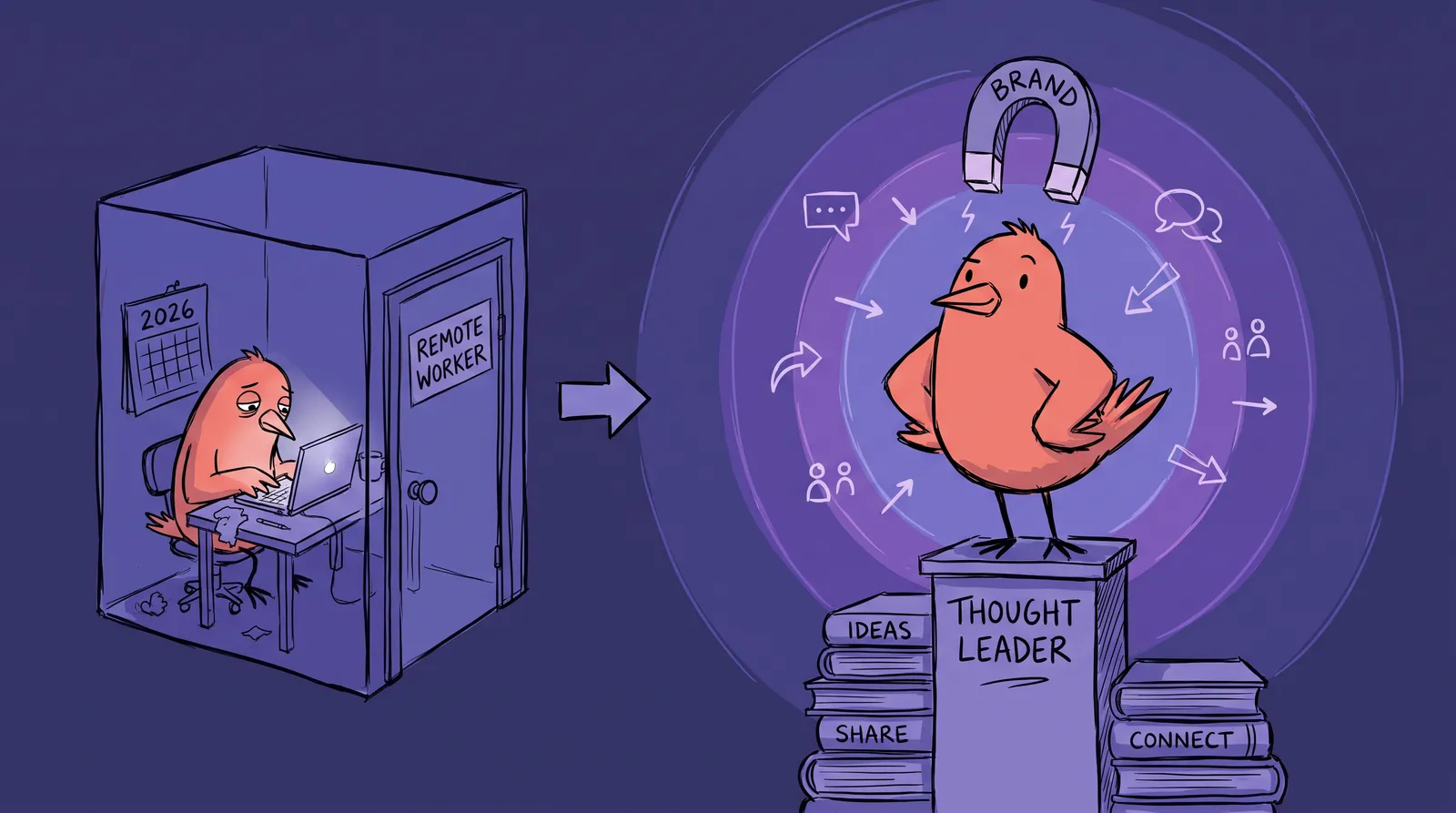
The professional identity question: Where does the real you still matter?
In gaming and social spaces, avatars are unambiguously accepted. But in professional contexts, the conversation gets more complicated.
A survey of 1,087 recruiters revealed a striking contradiction: 76.5% preferred AI-generated headshots in a blind test due to their polish, but 66% said they would be "put off" once they learned a headshot was AI-generated, viewing it as a breakdown of trust. That tension captures the current moment perfectly.
The AI headshot occupies a compelling middle ground. Unlike a fantasy avatar, it represents your actual likeness, your features, your face. It's optimized for lighting, framing, and professional presentation, removing the cost and scheduling friction of a human photoshoot. This is closer to professional photography than persona creation.
Consider two perspectives. A hiring manager who values "real" photos as a trust signal argues that showing up to an interview looking noticeably different from your profile creates doubt before the conversation even starts. A career coach counters that a well-lit, confident AI headshot is functionally no different from a studio photography session. Both have a point.
The distinction that matters is this: AI headshots that represent your actual appearance are ethically different from using a completely fabricated persona in a professional context. The former is a tool. The latter is misrepresentation. That line is important, and worth naming honestly.
By early 2026, corporate policies regarding AI-generated imagery are beginning to solidify. Emerging standards prioritize that AI content must not deceive or misrepresent. Legal bar associations published AI image guidance in late 2025 and early 2026, framing the issue not as an AI ban but as a matter of ethics rules against misrepresentation.
What's next: The blurring horizon
Avatar culture is about to leave the screen.
AR glasses and spatial computing
Meta's 2026 AR lineup is aggressive. Reports indicate plans for up to four new smart glasses models before the end of 2026, with a goal of selling 10 million wearables in the latter half of the year. The focus is shifting from bulky VR headsets toward all-day, stylish accessories. Combined with the successor generation of Apple Vision Pro, the technology is moving toward a future where your avatar could be visible to others as a persistent digital layer overlaid on your physical body in real-world spaces.
Avatar culture stops being "just online" when someone wearing AR glasses can see your chosen digital persona walking down the street.
The identity economy
The digital human market was estimated at $12.3 billion in 2023 and is projected to reach $170 billion by 2032. Virtual goods, avatar cosmetics, and digital identity assets represent a multi-billion dollar market in 2026. Younger generations are already investing in their digital selves the way previous generations invested in physical wardrobes. This is an economic behavior shift, not just a cultural curiosity.

AI video avatars go mainstream
Tools like Synthesia, HeyGen, and Sozee now generate highly realistic speaking "digital twins" from just a few reference photos. Creators can publish video content without physically filming, extending the definition of "presence" into something that works while they sleep. This moves avatar culture from static images into full motion, making the digital self a productive asset.
Your identity, expanded
The move from profile photos to AI personas expands identity rather than rejecting it.
Gen Z and Millennials aren't hiding behind avatars. They're using the tools available to present the right version of themselves in the right context, with more intention and control than any previous generation had. The real/digital divide was always more porous than anyone admitted: filters, lighting, angles and editing software were part of self-presentation long before AI. AI made the process faster, cheaper, and more honest about what it is.
As these tools get more powerful, the skill that matters won't be choosing between real and AI. It'll be knowing which version of yourself to show up as, and where.
Professionally, that still means a credible face people can trust. Whether it comes from a studio photographer or an AI headshot generator, what matters is that it represents who you actually are.
Try Starkie AI if you want a professional headshot that holds up wherever your career happens.