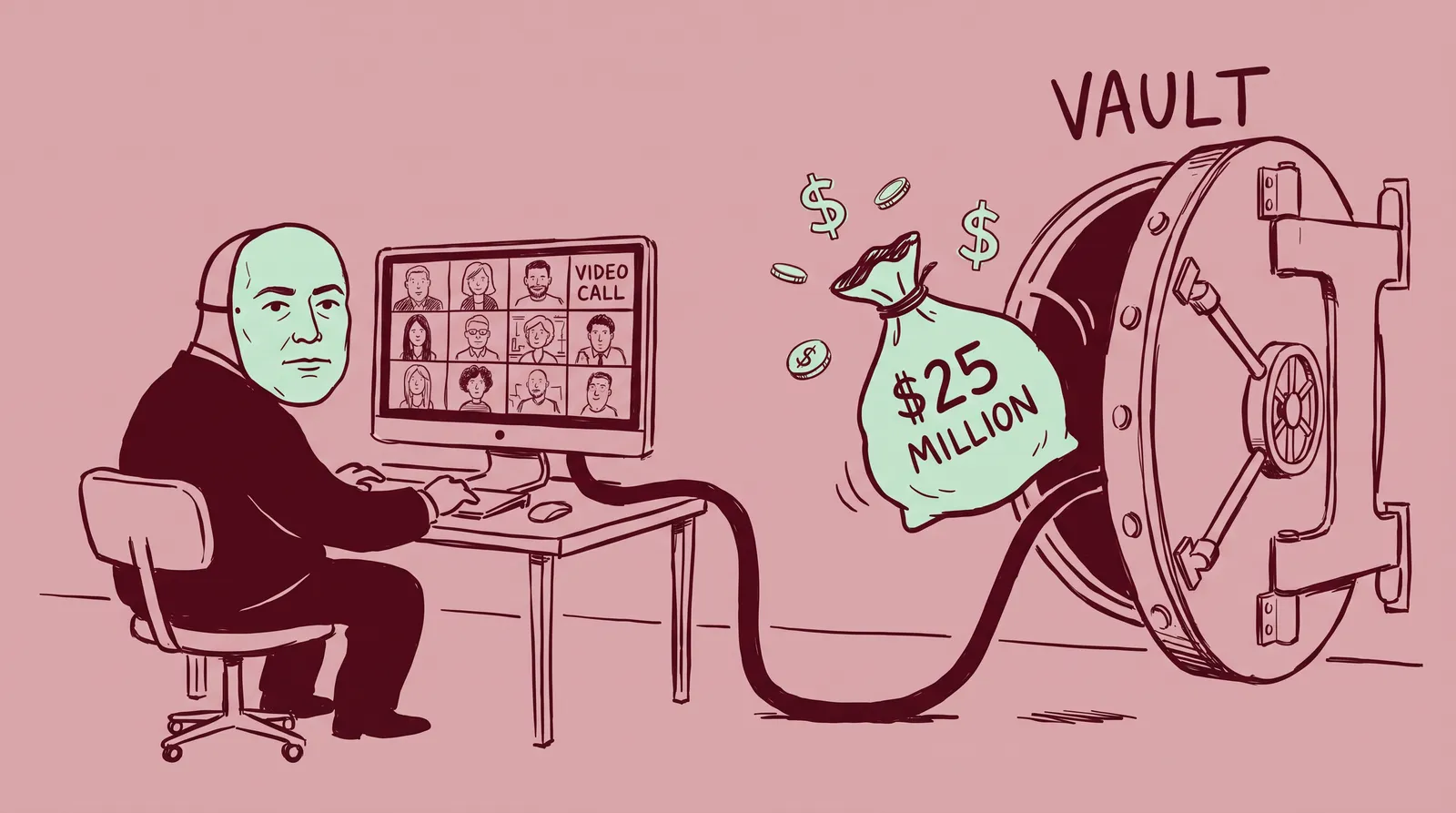
In January 2024, a finance employee at the engineering firm Arup joined a video call with his CFO and several colleagues. He listened to them discuss a confidential transaction, took notes, and then wired $25.6 million across 15 separate transfers. Every person on that call, except him, was fake. Not a photo. Not a recording. A live, responsive deepfake, built from public video and audio of real executives, running in real time while he watched.
The money is still missing. Hong Kong police confirmed the case in February 2024, though Arup wasn't publicly named as the victim until CNN reported it in May. It remains one of the largest AI-enabled frauds ever documented, and it's not an outlier anymore. It's a preview.
What a deepfake CEO scam actually looks like
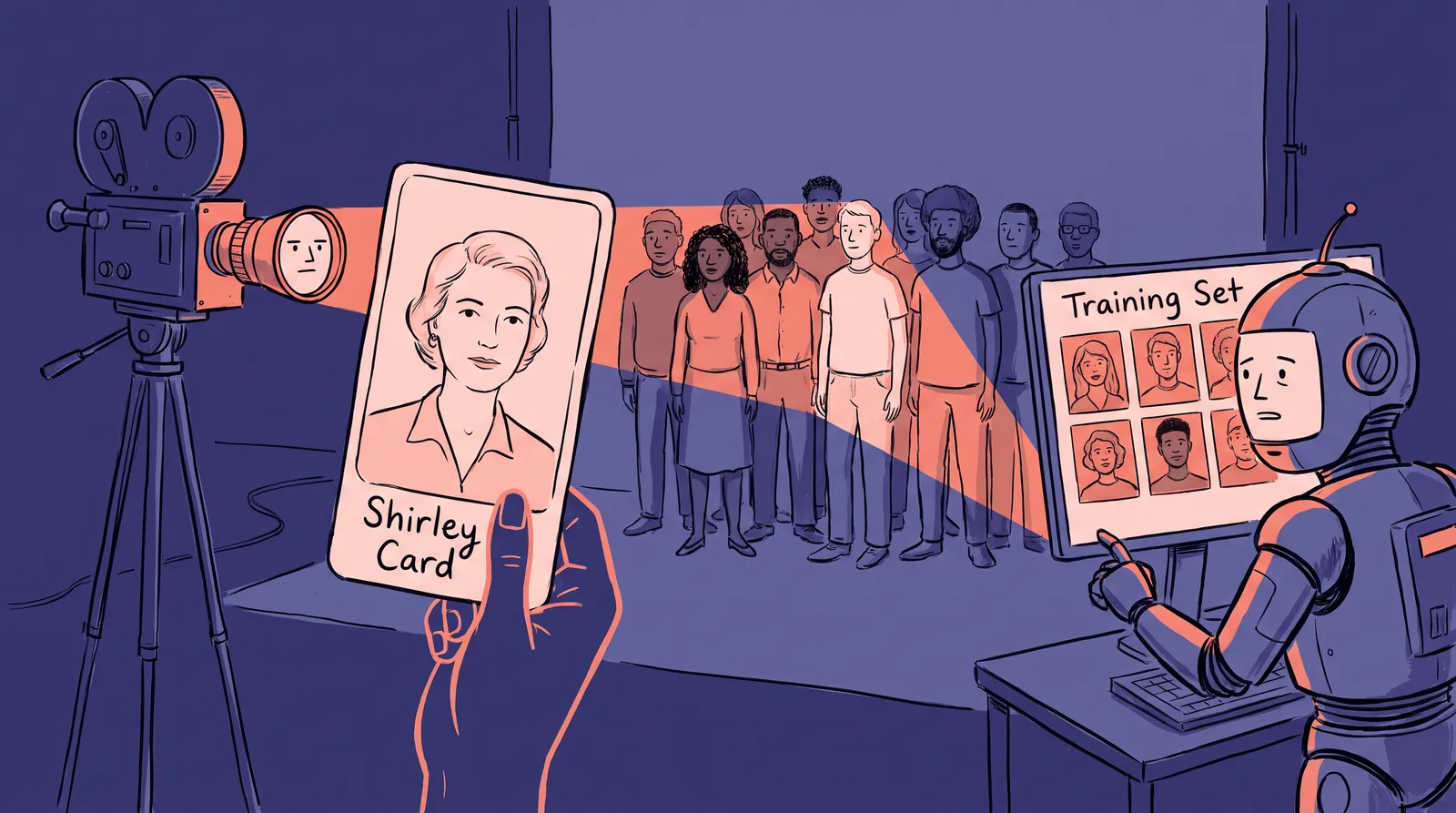
The mechanics are simpler than the outcome suggests. Attackers don't need months of footage or a Hollywood budget. A public earnings call, a few conference keynotes, or a handful of YouTube interviews are usually enough to train a convincing voice clone. A LinkedIn profile photo and some video from a press appearance can seed a face model. String those together with a video conferencing tool that most companies already use, and you have the raw material for a scam.
The pattern across the cases that have gone public looks remarkably consistent:
- Contact starts on a channel that feels routine: an email, a WhatsApp message, a calendar invite.
- The ask is framed as urgent and confidential, usually a deal, a restructuring, or a compliance matter that can't wait.
- The verification step is a video or voice call, precisely because seeing and hearing someone has always been the trusted way to confirm identity.
- The request lands on someone with the authority to move money, not the CEO's direct reports who might recognize a fake more easily.

That last point matters. These scams rarely target the executive being impersonated. They target the finance director, the junior employee, the person three rungs down who has never had a long conversation with the CFO and has no personal baseline to compare against.
Inside the $25.6 million call
The Arup employee wasn't fooled instantly. He was suspicious, and the scammers talked him out of it anyway, which is what makes the case worth walking through in detail. According to reporting on the Hong Kong police case, the employee was initially suspicious after receiving a message about a secret transaction. That suspicion was enough to make him question it, but not enough to stop him. So the scammers escalated: they invited him to a video call with what appeared to be the CFO and several other colleagues, all discussing the deal as if it were routine business.
He was, by his own account, uneasy going in. The video call resolved that unease. Seeing familiar faces and hearing familiar voices override skepticism in a way a text message never could. Over that single call and the days around it, he authorized 15 transfers totaling HK$200 million (about $25.6 million).
The fraud only surfaced when the employee later called Arup's real head office to follow up on the transaction and learned no such instructions had ever been given. By then, the money was already gone. As of early 2025, no arrests had been made and the funds had not been recovered.
When the deepfake doesn't work
Two other 2024 cases show what stops this kind of fraud, and it usually isn't technology catching the fake. It's a human noticing something that doesn't add up.
In July 2024, an executive at Ferrari received WhatsApp messages that appeared to come from CEO Benedetto Vigna, mentioning a big acquisition and asking for help with a currency hedge. A phone call followed, with a voice that convincingly mimicked Vigna's southern Italian accent. According to MIT Sloan Management Review's account of the incident, the executive grew suspicious of small irregularities in the caller's intonation and asked about a book the real CEO had recently recommended to him. The caller didn't know the answer and hung up.
A few months earlier, in May 2024, scammers targeting the advertising giant WPP built a fake Microsoft Teams meeting around a voice clone and YouTube footage of a real executive, using a WhatsApp account set up with a public photo of CEO Mark Read. According to the OECD's AI incident database, the goal was to convince an agency leader to set up a new business relationship and hand over money and personal details. It didn't work, and Read later told staff the company needed to stay alert to calls that go beyond email, including video meetings built entirely from AI.
Neither company caught the fraud with software. A person paused, asked an off-script question, and got an answer that a script couldn't produce.
Why this is accelerating, not slowing down
Arup, Ferrari and WPP all happened in 2024. The trend since hasn't reversed. In March 2025, a finance director at a multinational firm in Singapore authorized a transfer of $499,000 after a video conference staged with deepfake versions of senior executives, according to reporting on the case. He grew suspicious only when the same callers asked for a second transfer, this time $1.4 million. By then he alerted his bank, and Singapore's Anti-Scam Centre worked with Hong Kong police to trace and recover nearly all of the stolen funds within days, a rare outcome in cases like this.
The trajectory in the underlying numbers backs up what these individual cases suggest. Deloitte's Center for Financial Services projects that generative AI-enabled fraud losses in the US could reach $40 billion by 2027, up from $12.3 billion in 2023, even under its more conservative growth scenario. Deloitte built that projection by mapping FBI crime categories to a generative-AI risk score for each type of complaint, then modeling growth under conservative, base and aggressive adoption scenarios. Every version of the model points the same direction. The FBI's Internet Crime Complaint Center has warned that criminals are using AI-generated voices and text messages to impersonate officials and their contacts to gain access to accounts, and says AI-generated content has "advanced to the point that it is often difficult to identify."
None of this requires a state-sponsored operation. The voice cloning and face generation tools behind these scams are the same category of consumer software used for entirely legitimate things, from dubbing video into other languages to generating a profile photo. Cloning a voice convincingly used to take a recording studio and a script. Now it takes a public interview and an app. The technology got cheap and good at almost exactly the same time, and the people running these scams didn't need to build anything new. They just needed a reason for someone to pick up the phone.
How companies are actually defending against it
The fixes that have emerged from these cases are strikingly low-tech, and that's largely the point. No video call, on its own, should be enough to authorize a payment.
The most commonly recommended controls:
- A callback protocol: any unusual request gets confirmed through a phone number pulled from an internal directory, never a number supplied by the person making the request.
- A pre-agreed code word: executives and finance teams settle on a phrase, changed periodically, exchanged verbally for high-stakes approvals and never written down or sent digitally.
- Dual approval for large transfers: no single person, however senior the request appears to come from, can move money above a set threshold alone.
- Drills that simulate the pressure, not just the technology: security teams are running mock deepfake calls against their own finance staff, the same way companies have long run phishing-email tests, because the tell in every case so far has been a person's hesitation, not software flagging the call.

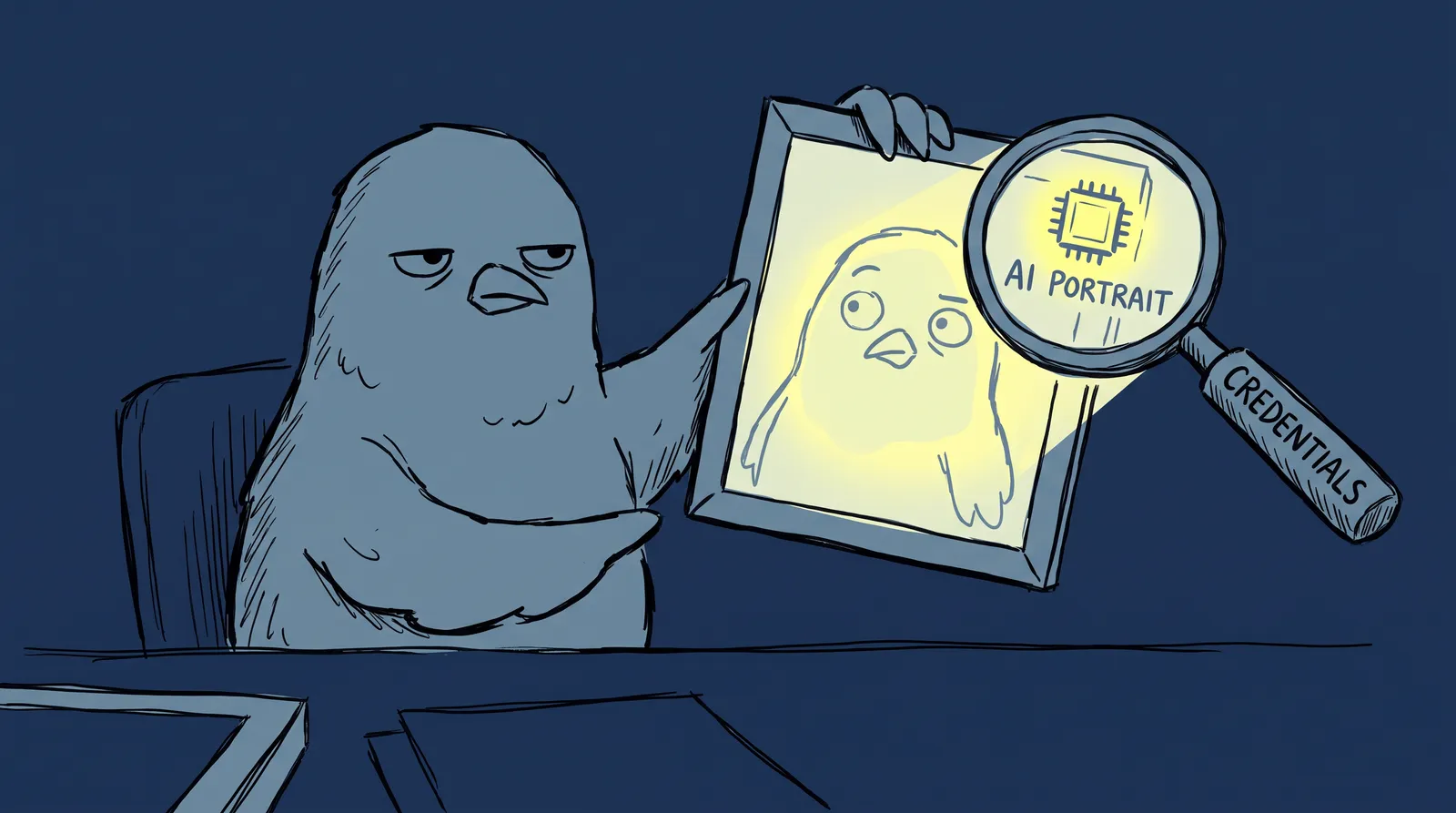
A technical layer is emerging alongside these habits. The Coalition for Content Provenance and Authenticity, known as C2PA, has built a standard for embedding verifiable metadata into media, recording what created a piece of content and whether AI was involved. OpenAI attaches these credentials to images generated by DALL-E in ChatGPT and the OpenAI API, and Adobe has made them mandatory across Firefly, Photoshop and the rest of Creative Cloud for any workflow that touches generative AI. According to C2PA's own implementation guide, more than 6,000 members and affiliates now back the standard, though it's worth being honest about its limits: credentials can confirm what a file claims about itself, but a live video call isn't a file with metadata attached. Detection tools have their own well-documented failure modes, which is exactly why the human-verification habits above still matter more right now than any single piece of software.
What this means beyond the finance department
There's an uncomfortable overlap between the tools that make these scams possible and the tools that make legitimate uses of AI-generated faces, including AI headshots, work at all. The same advances in face modeling that let a scammer impersonate a CFO on a video call let a tool turn a handful of selfies into a professional headshot. The difference isn't the underlying technology. It's consent, disclosure and what the output is used for, questions that are already working their way through the courts as likeness rights law tries to catch up with what these models can do.
That distinction is why the more reputable corners of this industry lean so hard on transparency: generating a headshot with your own photos and your own knowledge is nothing like a stranger cloning your CEO's voice from an earnings call, and it's a different problem from spotting a fake photo after the fact. But it also means anyone with a public-facing role, not just Fortune 500 executives, should assume their voice and face are now reproducible from public material. Conference talks, podcast appearances, YouTube videos and even a well-lit LinkedIn photo are all training data to the tools that make this fraud possible.
The Arup employee who authorized those 15 transfers wasn't careless. He was uneasy enough to hesitate, and then he watched a video call that looked and sounded exactly like his colleagues, and the unease lost. Until verification habits catch up to how convincing this technology has become, that's the trade every company is making, often without realizing it.