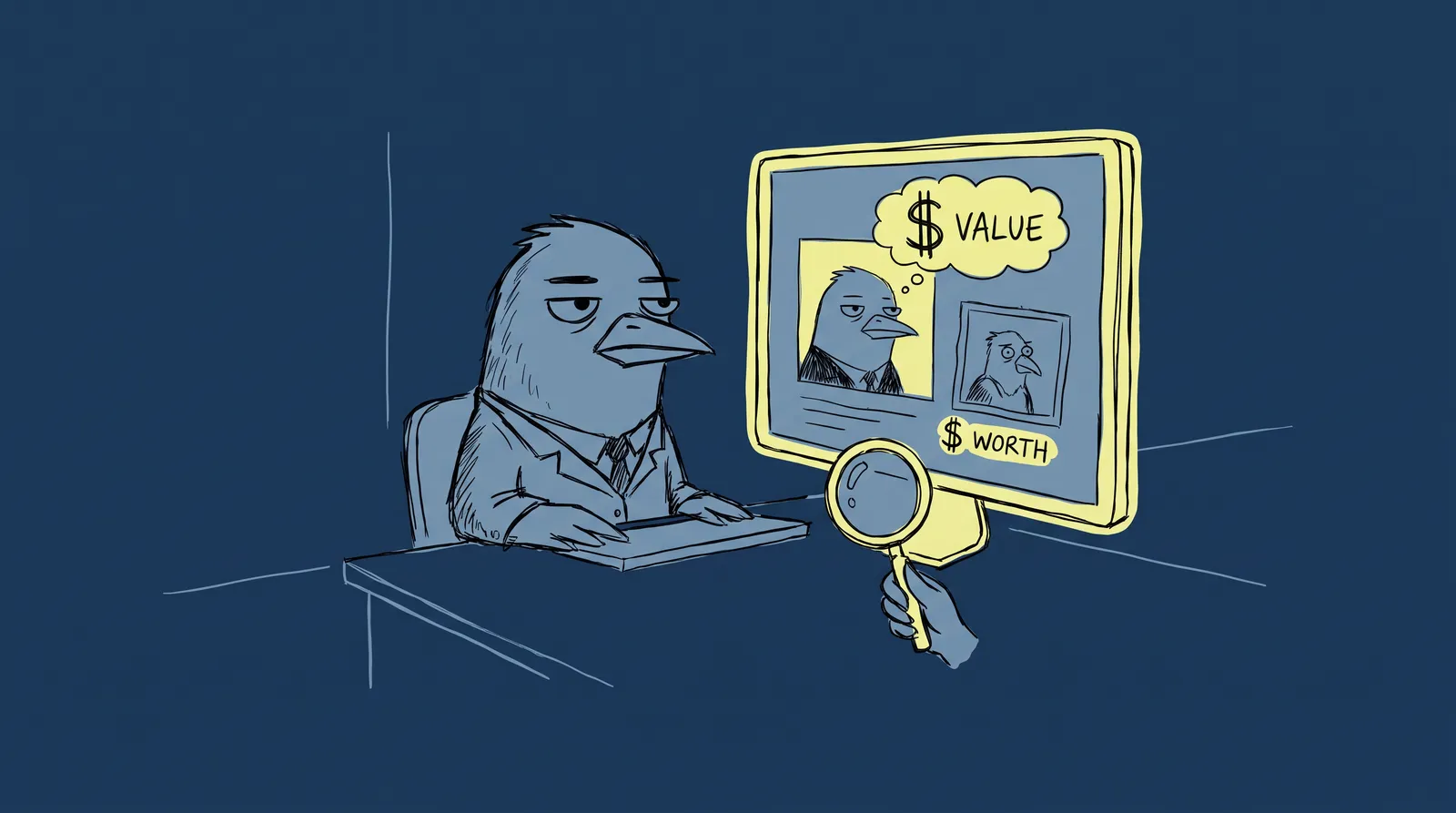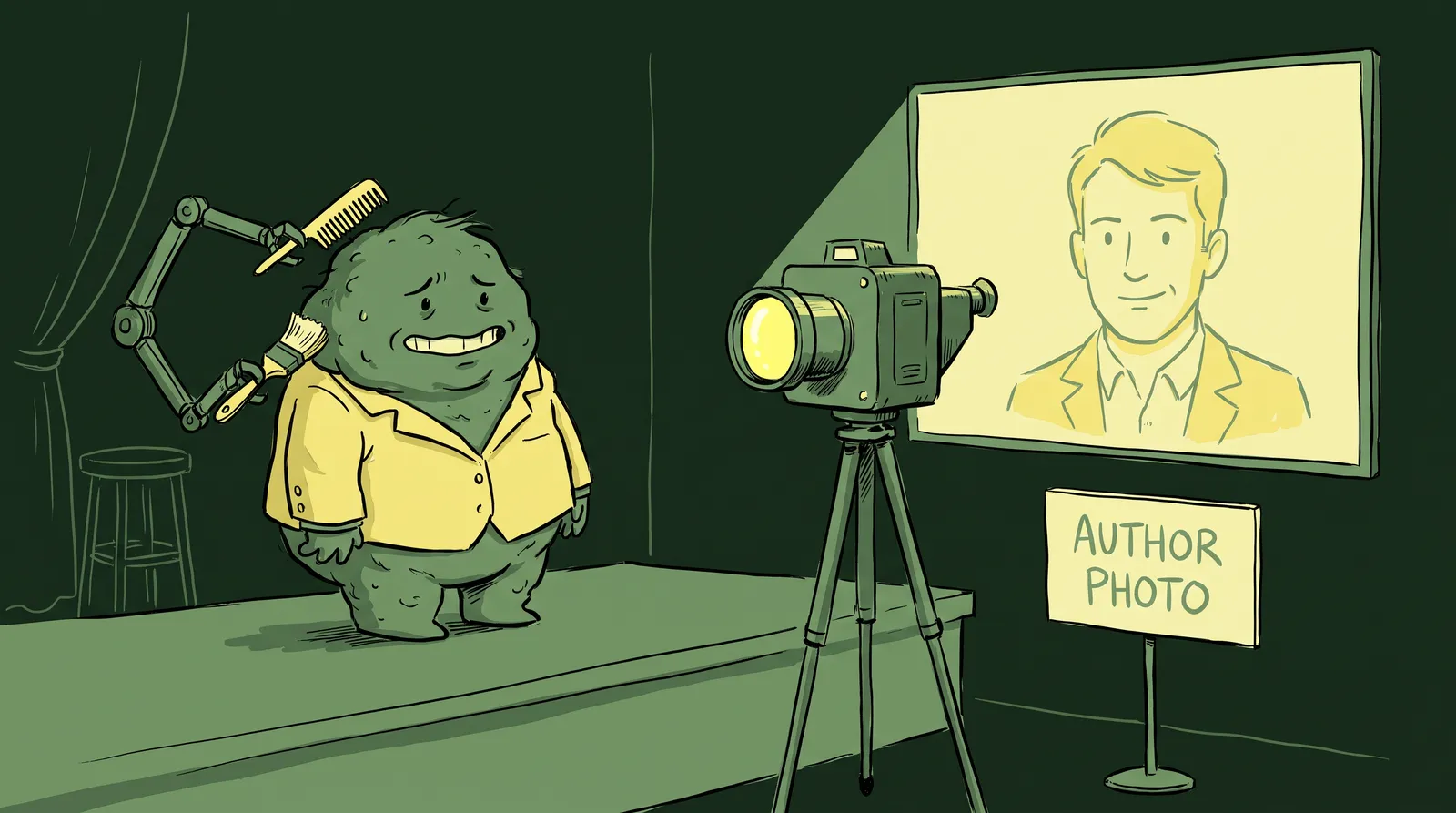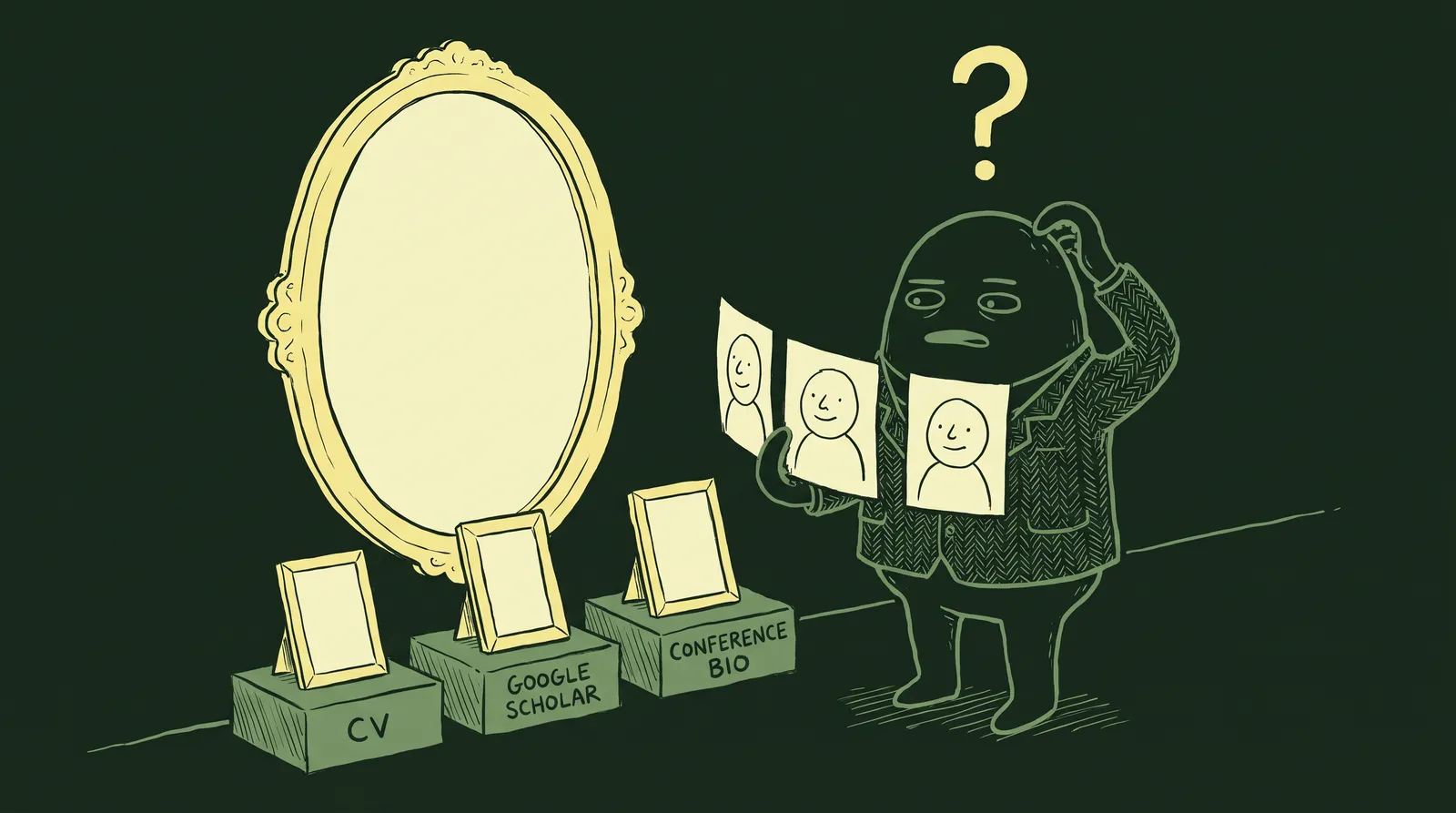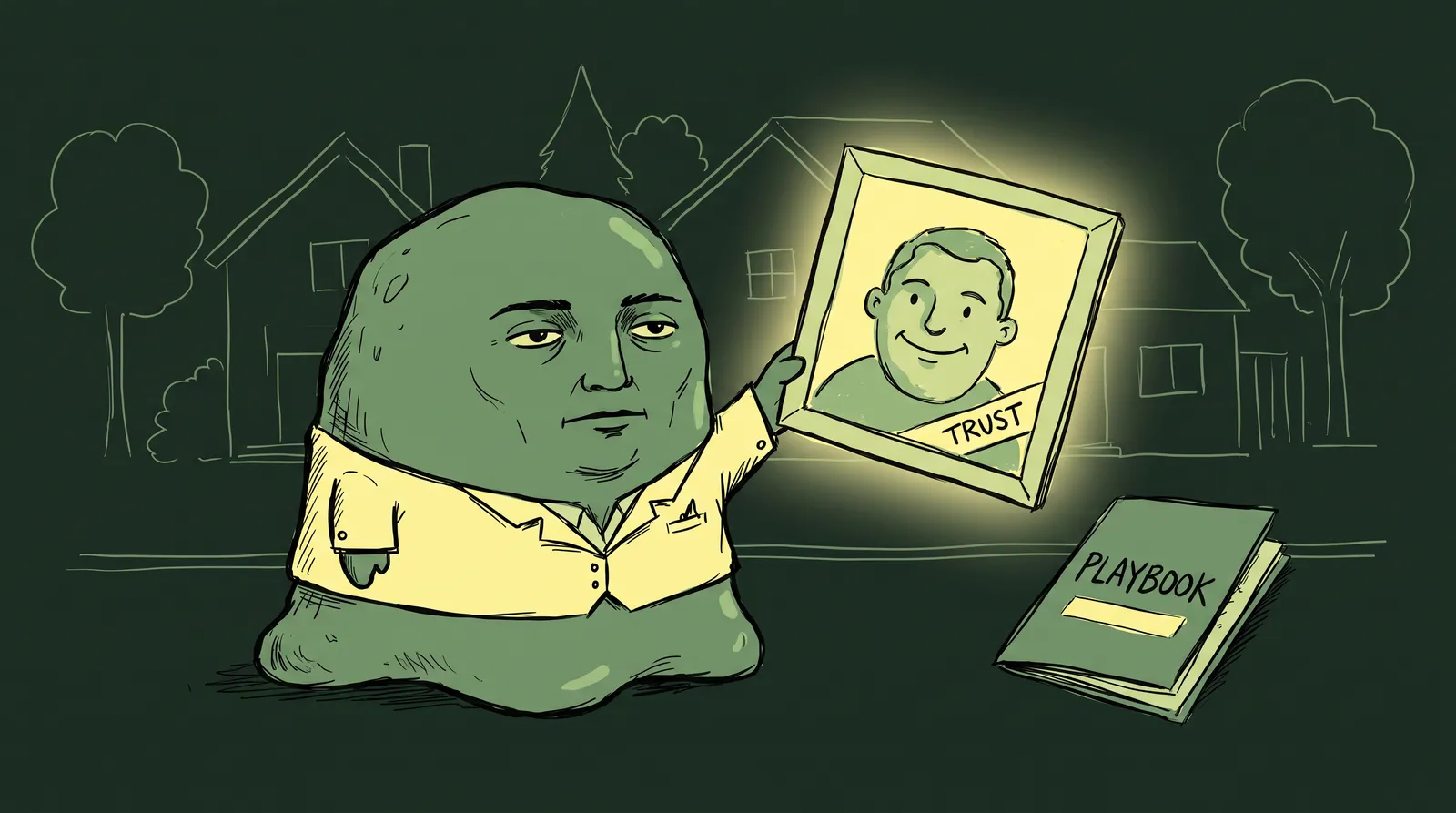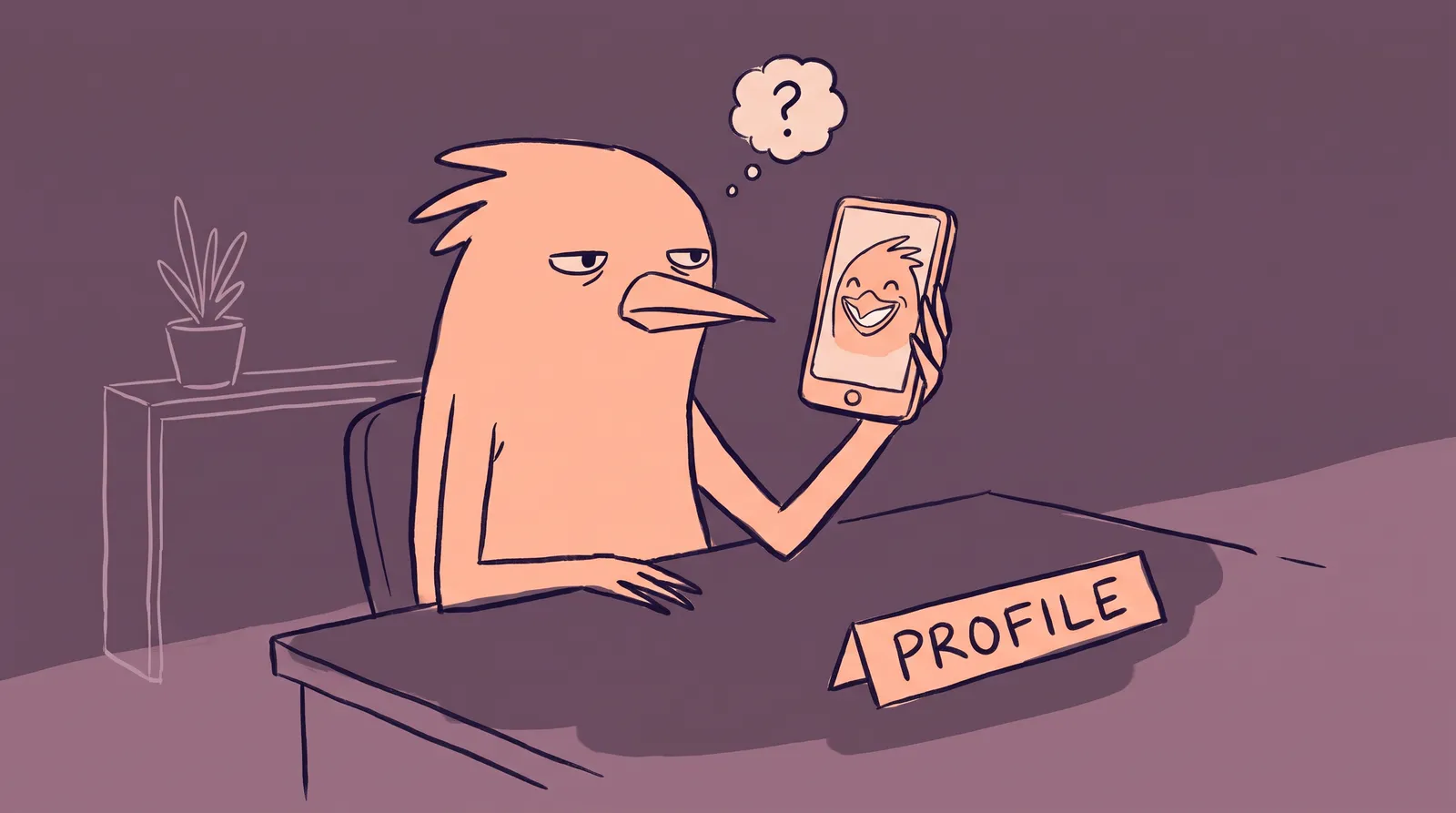
Smiling in a headshot is not a safe default everywhere. In a study of 44 cultures, smiling people were rated as more intelligent in 18 of them, as less intelligent in six, and no differently in the other 20. The photo stayed the same. The audience changed the verdict.
That should make you pause if your profile is read by people outside your own country. Clients in Warsaw, recruiters in Chicago and investors in Tokyo may not read the same face the same way. This article walks through what the research found, where it is weak, and how to pick an expression without guessing.
Does smiling make you look more trustworthy?
On honesty, yes, almost everywhere. In the 44-culture study by Kuba Krys and colleagues, published in the Journal of Nonverbal Behavior in 2016, smiling individuals were rated as more honest than non-smiling ones in 37 of the 44 cultures. The size of that bonus varied, though. It shrank in societies with higher levels of corruption, which the authors read as a sign that people trust a smile less when trust is scarce in daily life.
The study is worth understanding properly, because it gets quoted loosely. The team collected data from 5,216 respondents, and 4,519 were included in the final analysis. Most were university students, with an average age of about 22. Each person rated photographs of faces, shown either smiling or with a neutral expression, on a 7-point scale for intelligence and honesty.
That design has limits. Students are not recruiters, and a rating of a stranger's photo is not a hiring decision. But the sample is large and spread across six continents, which is rare in face-perception research. Most of the field relies on Western undergraduates.
Does smiling make you look less intelligent?
It depends on the viewer's culture. The same Krys study found that smiling led to higher intelligence ratings in 18 cultures, lower ratings in six and no significant difference in 20. The pattern did not follow geography. The authors note that neighbouring countries such as China and Japan, or Germany and France, sat at opposite ends of the distribution.
What tracked the result was a cultural trait called uncertainty avoidance. Societies that score high on it work to make the future predictable, with clear guidelines on how to behave. Societies that score low treat the future as unpredictable and set fewer rules. The authors found that smiling earned higher intelligence ratings in high-scoring societies. The correlation at the culture level was r = .63, which is strong for this kind of data. Their explanation is that where conditions feel uncertain, a show of certainty through smiling can look inconsistent, and inconsistency can be read as low intelligence. Treat that explanation as a hypothesis. The correlation is solid. The reason behind it is the authors' interpretation.
So the practical reading is narrow. If the people judging your profile come from a culture where smiling reads as less serious, a broad grin may cost you a little on competence. It will probably still help you on honesty.

Why do cultures disagree about smiles?
Because a smile does different jobs in different places. A 2015 paper in PNAS by Magdalena Rychlowska and colleagues, indexed on PubMed, found that countries group into "cultures of smiling". The authors tied this to historical heterogeneity: how many different source countries a population descended from over roughly 500 years.
The reasoning is that people in mixed societies had no shared language or settled norms, so clear and frequent expression helped them get along. People in more homogeneous societies could rely on shared context and needed fewer visible signals.
Their data came in two parts. A reanalysis of display rules from 32 countries linked heterogeneity to norms favouring more emotional expressivity. A separate study of 726 people in nine countries found that smiles sort into three kinds: pleasure, affiliation and dominance. Beliefs about which kind a smile signals also varied with historical heterogeneity.
That matters for headshots. In one place, a smile says "I am friendly." In another, it can say "I am pleased with myself" or "I am being polite." You are choosing a signal, and viewers decode it with their own rulebook.
Does a real smile beat a posed one?
Probably, though a real smile is hard to fake on demand. A genuine, or Duchenne, smile engages the muscles around the eyes as well as the mouth. A posed smile often uses the mouth alone.
A 2024 study in PNAS Nexus by Zachary Witkower and colleagues, available on PubMed Central, photographed 303 undergraduates smiling the way they normally would for a picture. The researchers coded the facial muscle activity. People who scored higher on warmth, conscientiousness and trustworthiness tended to produce smiles with more Duchenne-related movement. Then 987 online raters judged 100 photos each. Observers picked up these cues, and their judgments of personality tracked the subjects' own reports, though only modestly.
Two cautions apply. The accuracy gain from smiling was small, and the sample was young and American. The finding says smiles carry information. It does not say that a wide smile wins you the job.
For you, the useful point is simpler. A photo taken while you are actually amused carries more of the cues viewers read than one where you hold a smile for the shutter. That is my reading of the study, not something it tested head to head.
Does a smiling LinkedIn photo get you more interviews?
The evidence is thin. The best direct test I could find is weak. A 2017 master's thesis at Tilburg University ran an online experiment with 210 participants. It compared a smiling and a neutral LinkedIn profile picture across three kinds of vacancy. It found no difference in perceived credibility or in the likelihood of an interview invitation. It did find that people who rated a candidate as credible were more likely to invite them.
This is a student thesis with a convenience sample, so do not build a strategy on it. Read it as a counterweight. The claim that a smiling photo gets you more interviews rests on less evidence than most advice columns suggest.
Researchers outside psychology treat smiling as a variable worth measuring. Susan Athey and colleagues studied profile photos on a peer-to-peer lending platform. They separated fixed traits such as age and gender from changeable "style" traits such as smiling. They then tested photo variants in randomised survey experiments. The takeaway is not a single number. It is that researchers treat expression as a choice you control, and one worth measuring.
What should you actually do?
Match the expression to your audience, then check it against the platform. This is my reading of the evidence, not a rule from any one study.
- Local or Western-facing audience: a natural smile is a sound default. The honesty bonus held in 37 of 44 cultures.
- Global audience, or a field that prizes gravity (law, finance, academia): use a closed-mouth or slight smile. It keeps the honesty benefit without the broad grin that some cultures read as unserious. Our guide to headshots for executives and speakers covers how senior people handle this.
- Mixed audience: choose the expression you would use meeting a stranger for the first time. Relaxed face, soft eyes, no performance.
- Dating and social profiles: warmth tends to be the point there. See what works on dating apps.

Whatever you pick, look at it the way a stranger would. Does the photo look like you on a normal day? If a colleague would not recognise the smile, it is the wrong smile.
How can you test expressions before you commit?
Compare versions side by side. Most people choose a headshot from whatever one session produced. That session may have caught you tired, stiff or mid-blink, and re-shooting costs time and money.
An AI headshot generator such as Starkie AI lets you make several expressions from the same selfies, from neutral to a broad smile. You can then show them to a few people from your target audience and ask which one they would trust with a project. That is a better test than your own taste. If you work across borders, ask someone from the other side of the border.
Remote professionals have a particular stake in this, since the photo often does the first handshake. Our guide to a remote worker's digital presence explains where that first impression shows up.
The short version
Smiling is a signal, and signals depend on the viewer. Across 44 cultures, a smile usually raised perceived honesty and sometimes raised perceived intelligence, but in six cultures it lowered it. The research on hiring outcomes is thin. The research on genuine versus posed smiles is encouraging but modest.
So do not ask whether you should smile. Ask who is looking, and what you want them to think in the first second. Then pick the expression that is true to you and fits them.