On January 1, 2025, Headshots.com raised its prices for the first time in four years. A single headshot credit went from $50 to $60, a 20 percent jump overnight. The founder's explanation was blunt: the original number "felt like the right number" when the company launched, but it never accounted for a growing team, more complex client work, or the cost of building new features. That is not a story about one company getting greedy. It is the story of nearly every headshot photographer who has ever picked a number and then watched it go stale.
Pricing a headshot session is harder than it looks. You are not just charging for the twenty minutes someone spends in front of your camera. You are charging for the consultation call, the editing time, the delivery system, the years it took you to get good at posing strangers, and the insurance you carry in case a light stand falls on someone. Get the number wrong in either direction and you either burn out serving clients who do not value the work, or you price yourself out of a market you never actually tested.
This guide breaks down how headshot photographers are pricing their work in 2026: the models available, what the market is actually charging, and where photographers consistently leave money on the table.
What actually goes into a headshot session price
A headshot session price has to cover far more than shoot time, and photographers who forget that consistently undercharge. According to HoneyBook's pricing guide, one of the most common mistakes is counting only the hours spent clicking the shutter, while editing, client communication, and marketing time go unbilled.
Add up what a single session actually costs you before you touch a client: pre-shoot consultation, wardrobe guidance, the shoot itself, culling and retouching, file delivery, and the software subscriptions that make all of it possible. HoneyBook's guidance is to calculate your full cost of doing business first, including taxes, and only then decide how to price around it. Skip that step and every session quietly loses money, even the ones that feel busy.
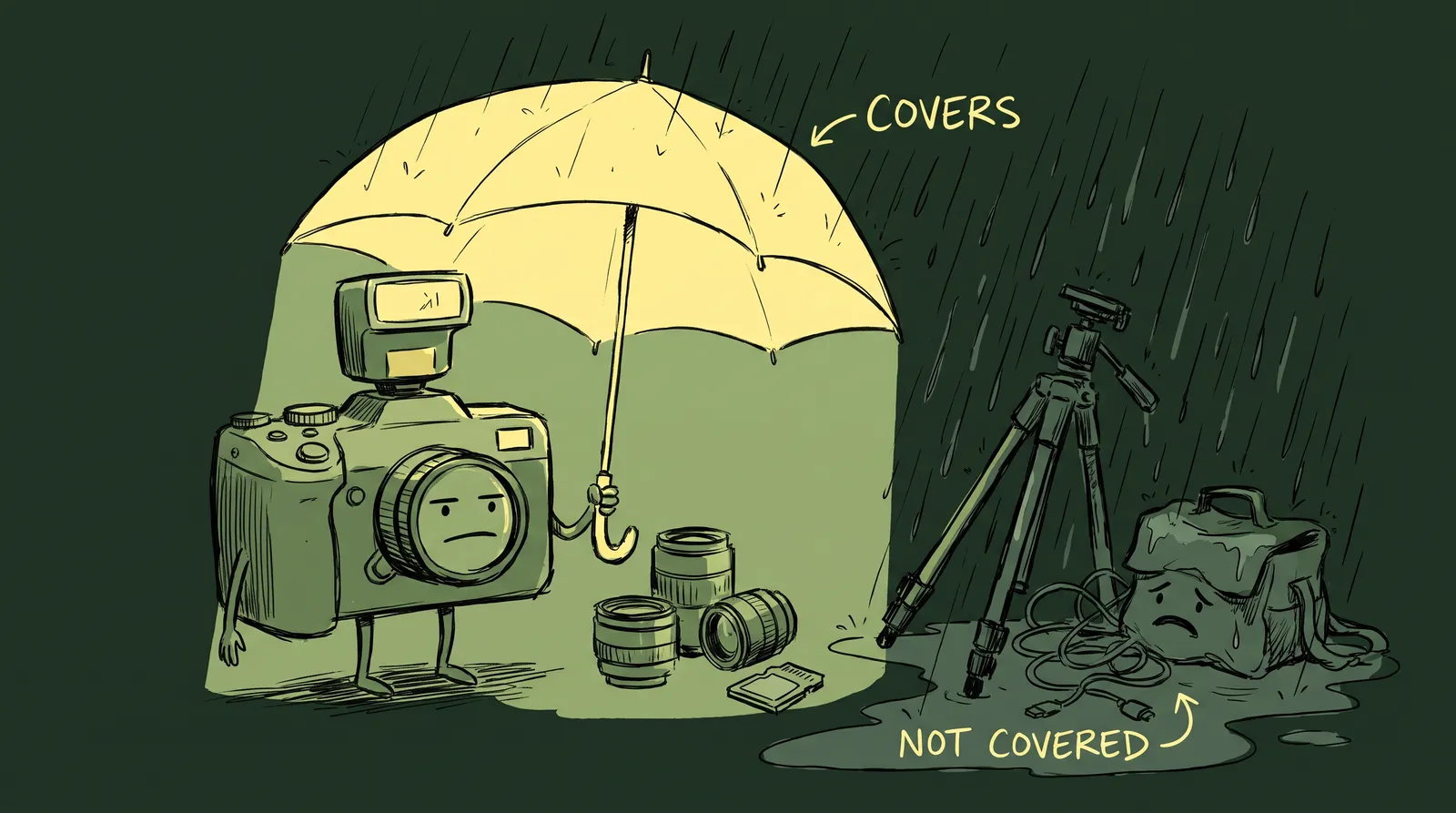
Overhead is not optional to account for either. Camera bodies, lighting, studio rent or mileage, and insurance all sit behind every session you book, whether or not a client ever sees the invoice for them.
Choose a pricing model before you choose a number
Most headshot photographers work from one of three models, according to industry pricing guides from Picdrop and HoneyBook:
- Hourly rates. Simple to explain and flexible for sessions that run long or short, but clients often worry about an open-ended bill.
- Package or flat-rate pricing. A set price for a defined scope, such as one look and three retouched images. Transparent for the client, but risky for you if the shoot runs over.
- Value-based pricing. You price the result, not the time it took to get there. This works best for corporate and executive work, where the client is really paying for how the photo performs on a leadership page or a fundraising deck, not for camera time.
The American Society of Media Photographers recommends a simple starting formula for photographers building a day rate from scratch: take your annual income goal, divide it by the number of billable shoot days you realistically expect in a year, usually 100 to 150 for a full-time photographer, then add overhead on top. That single number becomes the floor under whatever package structure you build.
Package pricing is the most common choice for headshots specifically, because it lets you sell in tiers: a basic single-look session as the entry point, a mid-tier package that most clients actually book, and a premium option with multiple looks and full retouching. Picdrop's guide puts general portrait session rates between $250 and $1,500, a range wide enough to show how much tier and market matter.
What photographers are actually charging in 2026
Location changes the number more than almost anything else. Data compiled by Wolf Studio breaks individual session pricing into three market tiers:
- Tier 1 markets (New York, Los Angeles, San Francisco): $400 to $850 for a standard session, $1,000 to $2,500 or more for premium branding shoots.
- Tier 2 markets (Chicago, Miami, Denver, Nashville): $250 to $600 standard, $700 to $900 or more premium.
- Tier 3 markets (smaller cities): $175 to $375 standard, $500 or more premium.
Corporate and team sessions follow their own logic, priced per person rather than per session. The same Wolf Studio data puts a full-day corporate shoot in a Tier 1 market at $2,500 to $6,000 or more, with per-head rates of $125 to $275. In Tier 3 markets, a full day runs $1,200 to $2,500, at $75 to $125 per head. Retouching is usually billed separately in these deals, running $15 to $75 per image depending on market tier.

None of this happens in a vacuum. According to ShootProof's State of the Photography Industry 2025 report, 65 to 77 percent of photographers saw their business costs rise in 2024, with overall costs up 6 to 10 percent across genres. Only 30 to 37 percent of photographers raised their own prices in response, and those increases averaged the same 6 to 10 percent. That gap between rising costs and stalled pricing is exactly what erodes a photography business over time, one underpriced session at a time.
What one price increase can teach you
Headshots.com is worth studying closely because it published its reasoning in public rather than quietly changing the checkout page. The company's January 2025 price update moved every volume tier up by $10: entry credits (1 to 50) went from $50 to $60, the 51-to-100 tier moved from $45 to $55, and the largest volume tier (501 to 1,000 credits) rose from $30 to $40. Existing customers who had already signed up were given until February 14, 2025 to buy additional credits at the old rate, a grace period that softened the change without abandoning it.
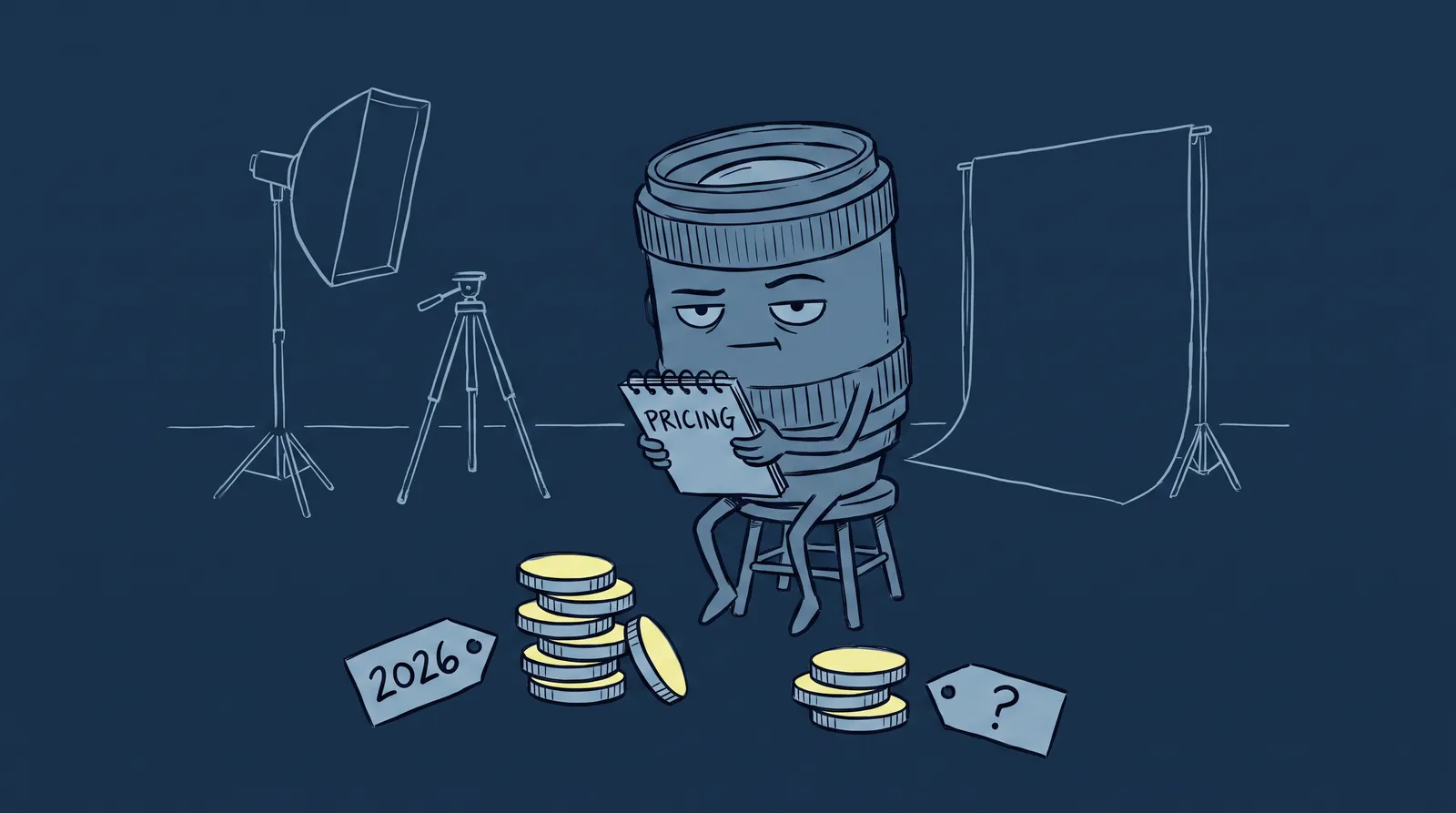
The founder's explanation is the useful part. The original $50 price had been set four years earlier and simply never moved, even as the company added staff, took on more complex client work, and built new features into the product. Nothing about the original number was wrong when it was chosen. It just stopped being current, the same trap the ASMP formula and HoneyBook's guidance both warn about: a rate that made sense in year one rarely still makes sense in year four.
The lesson for an individual photographer is the same at a smaller scale. If you have not revisited your headshot pricing since you started, you are very likely still charging what you decided you were worth before you had proof.
Structuring tiers and add-ons that don't erode your margin
Package tiers only work if the boundaries between them are clear before the client books, not negotiated mid-session. A basic tier might include one look and two retouched images. A mid-tier might add a second look and five images. A premium tier might add hair and makeup coordination, same-week delivery, and full retouching on every frame.
Price each add-on as its own line item rather than folding it into the base rate. Retouching, at $15 to $75 per image depending on your market according to the Wolf Studio data above, is the clearest example: bake it into every package and you are eating margin on clients who only wanted the basic tier. Charge it separately and the client who wants five heavily retouched images pays for exactly that.

Some photographers are now building AI tools into their upsell menu rather than treating them as competition, offering AI-generated variations or backgrounds as a paid add-on alongside the traditional shoot. If that fits your business, it is worth exploring how photographers are using AI headshot tools to upsell existing clients rather than losing budget-conscious clients to a low-cost generator like Starkie AI entirely. The client who cannot afford your premium tier is still a client, if you have an entry point that keeps them in your funnel instead of sending them to an app.
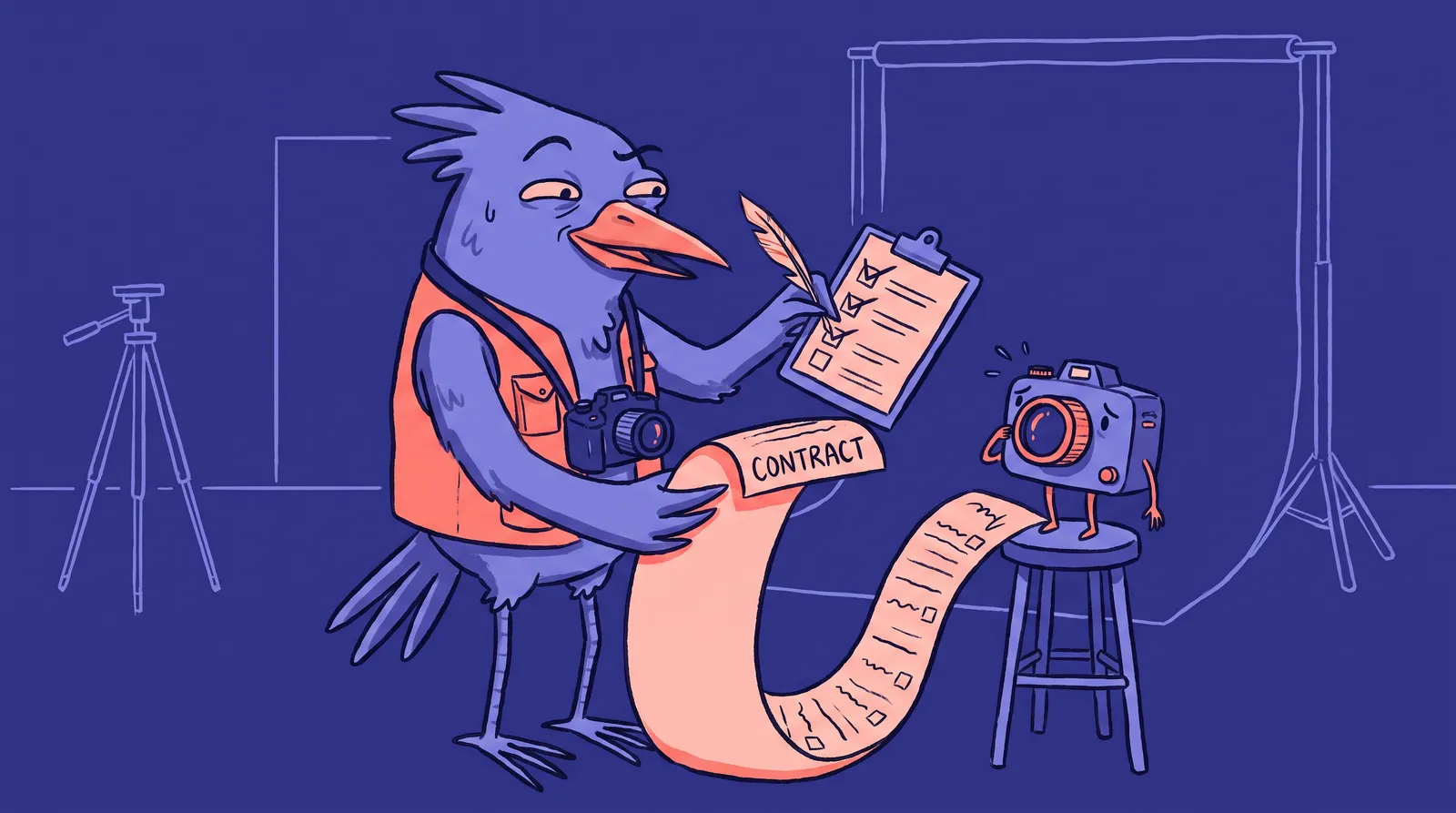
Put the final structure in writing before the shoot. A clear contract that spells out what each tier includes, what counts as a reshoot, and how many rounds of revisions are covered prevents the single most common source of scope creep: a client who assumed "premium" meant something it did not.
The mistakes that quietly kill a headshot pricing strategy
HoneyBook's pricing research points to a small set of mistakes that show up again and again in headshot pricing specifically:
- The underpricing trap. Starting low to win the first few bookings attracts clients who care about price and not much else, and it is a hole that is hard to climb out of once those clients start referring their equally price-focused friends.
- Copying the wrong competitor. Checking what other photographers charge only tells you what they charge, not whether their number is profitable. Compare yourself to photographers at your experience level, not the cheapest option in your market.
- Forgetting invisible hours. Every email, every reschedule, every round of file delivery costs time. If your rate only accounts for the minutes the shutter is open, you are working for less than you think.
- Letting rates go stagnant. Your expertise grows every year. Inflation does too. A rate that made sense two years ago is quietly losing you money today, exactly the pattern that caught up with Headshots.com after four years at one number.
None of this means chasing the highest number in your market. A rate that is sustainable, that covers your real costs, and that you actually raise on a schedule will do more for a headshot business than a single aggressive price hike ever will. The photographers who treat pricing as a business decision, reviewed every year against real costs and real demand, are the ones still setting their own rates a decade from now instead of reacting to what a client thinks they should cost.