A keynote speaker walks off stage to a standing ovation. The audience is buzzing. But when the conference organizer goes to update the event website, the only headshot on file is a grainy LinkedIn crop from 2019.
Speaker bios get viewed three to five times more than session descriptions before an audience decides whether to attend a talk. Most professional speakers are still running a headshot more than three years old. Meanwhile the hero image is doing more work than ever, across speaker reels, press kits, podcast thumbnails, Forbes contributor pages and book jackets, and the gap between good enough and commanding keeps widening.
AI headshot technology has matured enough to close most of the distance between a $2,000 studio shoot and a smartphone selfie, and the executives who noticed are quietly building an edge.
What follows is what makes an executive headshot work in 2026, what your current photo may be costing you, and how to fix it.
Your headshot is now a full-time brand asset (not just a profile picture)
Think about every place your face appears online right now. Speaker bureau profiles. TEDx event pages. Podcast guest bios. Your LinkedIn featured section. Your Amazon author page. Forbes or Inc. contributor headshots. Press kits sent to media bookers. Virtual event overlays. Your book jacket author photo.
One image. A dozen high-stakes placements.

This is the reality of personal branding in 2026. Your headshot isn't a static profile picture anymore. It's a full-time brand asset working around the clock across your entire digital ecosystem, from National Speakers Association profiles to Substack "About" pages to Fast Company Executive Board bios.
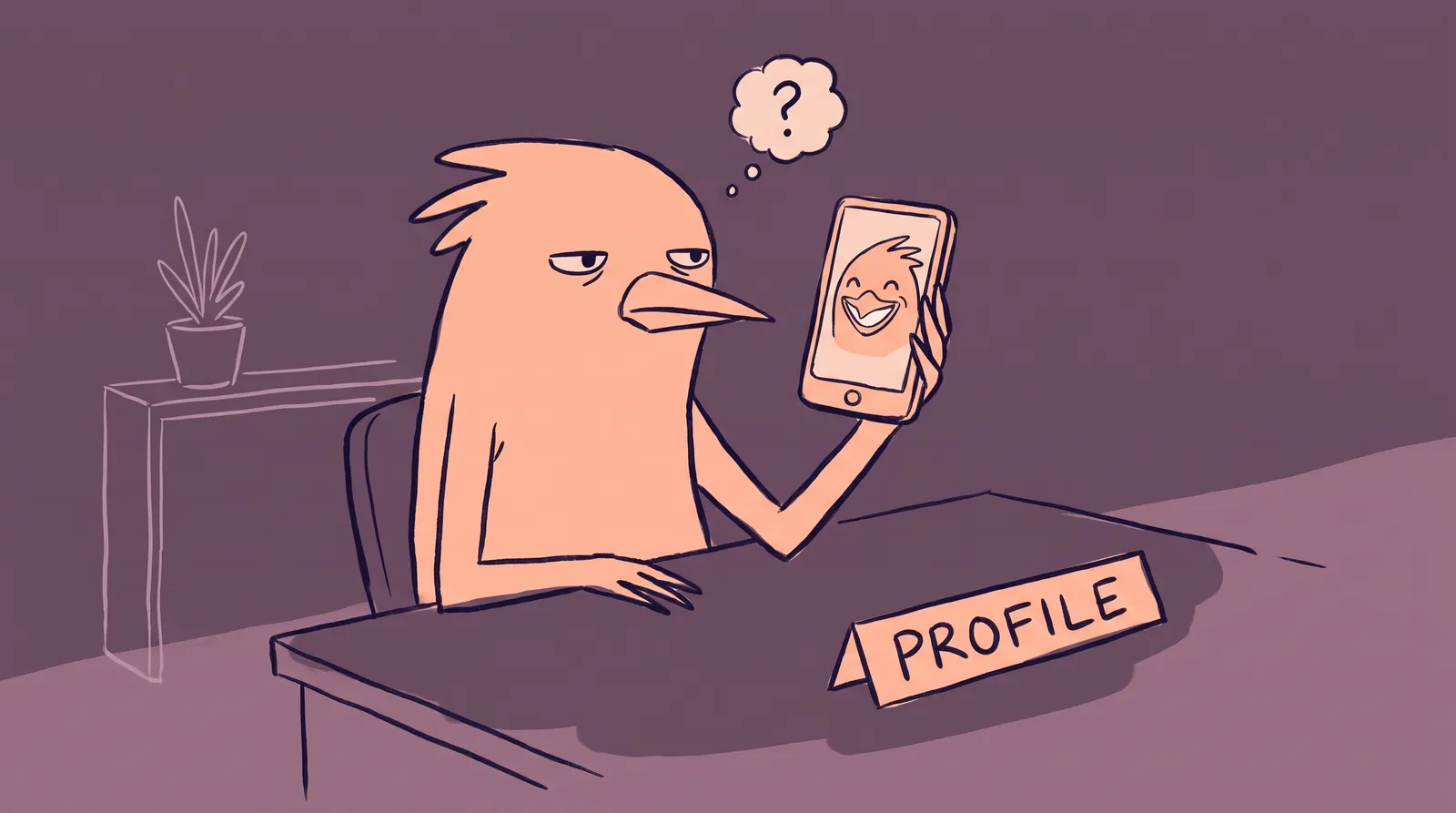
That matters because before a booker, journalist or attendee reads a word of your bio, they've formed a judgment from your photo. Princeton psychologists Janine Willis and Alexander Todorov found that people form impressions of traits like trustworthiness and competence in just 100 milliseconds. One-tenth of a second. That's your "visual handshake," and it happens before anyone processes your credentials, your topic, or your track record.
The stakes here are different than for a general professional. A consultant needs a decent headshot. A keynote speaker needs a headshot that communicates authority, warmth, and energy simultaneously, because the photo is literally auditioning them for a stage.
There's also what you might call "hero image anchoring." When one strong, consistent image appears across every platform, it builds visual brand recognition. Audiences start to associate your face with your expertise before they've consumed a single piece of your content. Top-tier speakers and major TEDx alumni understand this instinctively. They maintain a single cohesive visual identity everywhere their name appears. It's a power move that signals, "This person has their act together."
The 2026 standard: What 'professional enough' actually looks like now
The bar has risen sharply. In 2020, a clean background and decent lighting passed. In 2026, audiences trained on years of high-production content detect visual mediocrity instantly and file it under the speaker's credibility.
Four things decide whether an executive headshot works now.
Expression comes first, and it's neither a stiff smile nor a forced power pose. The 2026 standard is what you might call "dynamic confidence," an approachable, open look that suggests competence without arrogance. PhotoFeeler, a platform that tests photo perceptions, has consistently found that photos with a confident, open-mouthed smile are perceived as more likable, while a closed-mouth "social smile" can sometimes read as less competent. The sweet spot is approachable but authoritative.
Wardrobe is second, and it should be specific to your context. A finance keynote speaker, a wellness thought leader, and a tech CEO all require different visual cues. A tech futurist might wear a tailored blazer over a premium t-shirt. A leadership speaker might choose a classic suit that signals established trust. A wellness author might lean toward natural fabrics and textures that communicate warmth. Your wardrobe should match your stage look, not default to "generic executive."
Background is third, and the plain grey studio backdrop is finished. In 2026, the headshot uses environmental storytelling: a softly blurred boardroom, a personal library, an architectural detail that reinforces your brand. Or a clean, bold color that pops at thumbnail size. The background works for you, not against you.
Crop and composition are fourth, and one photo won't cover it. You need a tight, eye-contact "floating head" crop optimized for circular profile thumbnails on LinkedIn and podcast players, plus a wider environmental shot for media kits, author pages, and conference hero banners. Having both is now table stakes.
The biggest single differentiator between amateur and professional is lighting. Catchlights in the eyes, soft diffusion across the skin, natural shadow patterns. These subtle details are what separate a phone snapshot from a portrait that commands attention. AI headshot tools have learned to simulate exactly these professional lighting setups from ordinary source photos.
Try the "scroll test." Open your headshot at thumbnail size on your phone. Does it command attention in a grid of 20 other faces? If not, it's failing at its primary job.
The hidden cost of a bad headshot: Real opportunities being left on the table
Picture this. A highly credentialed executive with a decade of domain expertise is consistently passed over by podcast bookers and conference organizers. Not because of their ideas or credentials, but because speakers with less experience and stronger visual presence keep getting the nod. The booker's inbox has 200 pitches. The headshot is the filter.
This isn't hypothetical. An experienced podcast booker will tell you that a bad headshot is an immediate red flag. It signals that the speaker may not be media-ready, professional, or worth the perceived risk, regardless of their credentials. With less than 30 seconds spent scanning each profile, the photo is the gatekeeper.
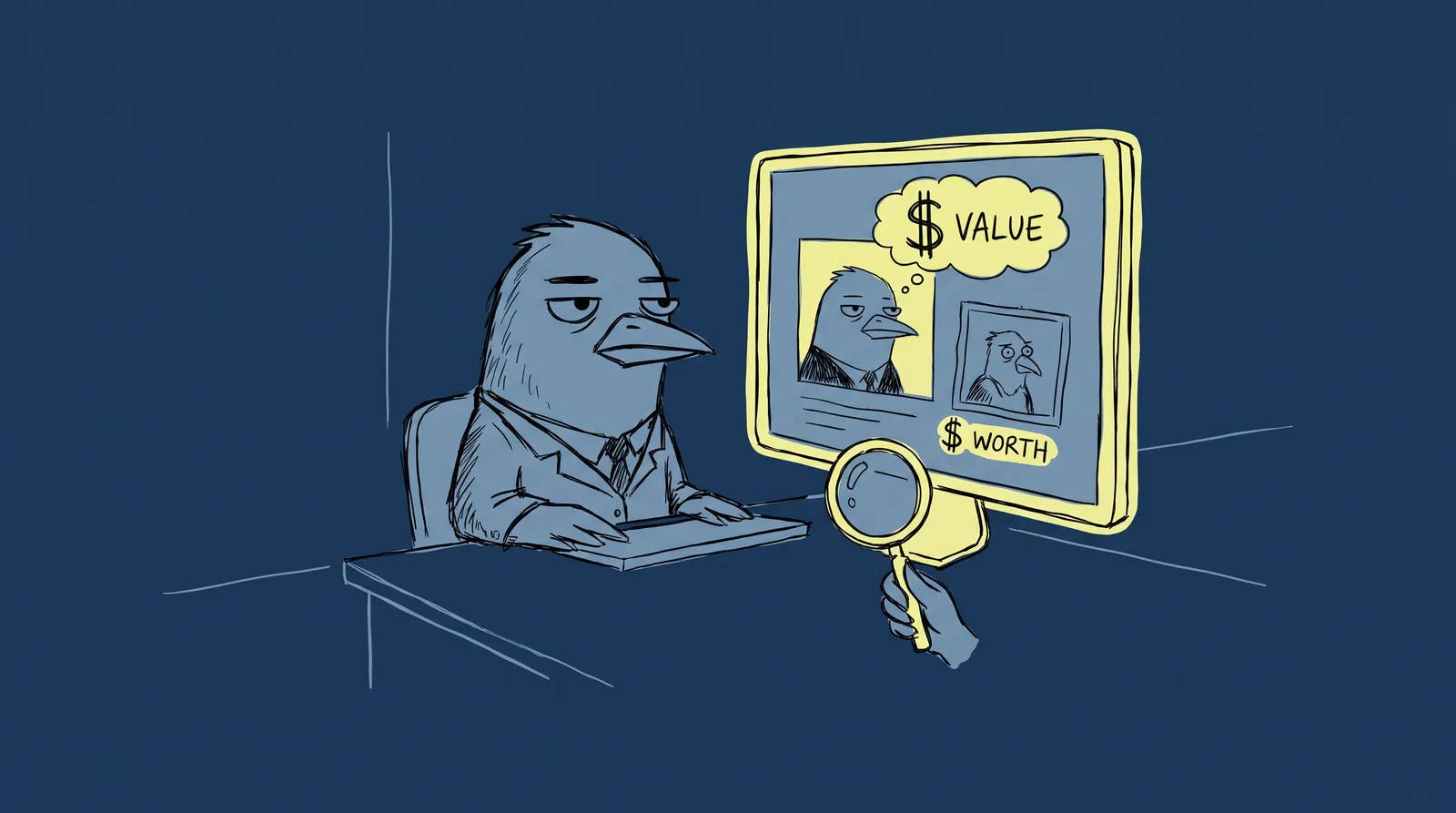
The financial impact is real. Research by economist Dr. Daniel Hamermesh on what's often called the "authority premium" in professional contexts has shown that individuals whose photos convey higher perceived competence can earn 10 to 15 percent more than their counterparts. For public speakers and executive consultants, this translates directly into higher speaker fees, increased inbound consulting inquiries, and stronger book deals.
Run the math. If a stronger headshot helps an executive land just two additional $15,000 keynote engagements in a year, or converts three more high-value consulting inquiries, that's $30,000 to $100,000 or more in opportunity cost silently being left on the table.
Then there's the trust erosion problem. A photo from 2018 on a 2026 speaker page creates a cognitive dissonance moment when the speaker walks on stage and looks noticeably different. It subtly undermines credibility before they say a word.
Most professionals know they need new headshots. But the average time between deciding they need new photos and actually booking a shoot stretches to 14 months or more. Scheduling friction, cost hesitation, and the psychological weight of a professional photoshoot all contribute to the delay. During that time, hundreds of opportunities quietly pass.
AI headshots in 2026: How the technology has matured for high-stakes use cases
Early AI headshot tools from 2022 and 2023 earned a reputation for uncanny valley artifacts, stock-photo aesthetics and inconsistent likeness. Plenty of executives wrote off the whole category on the strength of those first attempts.
That skepticism made sense then. It doesn't now.

Several things have changed since. Facial fidelity and likeness preservation improved dramatically. The output actually looks like you, capturing your unique facial structure, micro-expressions, and gaze, not a smoothed-out approximation of a generic human face. Context-aware background generation can simulate a specific environmental style, a softly blurred modern boardroom or a sunlit library, with lighting on the subject automatically matched to the setting. Intelligent wardrobe rendering replaces a casual hoodie with a tailored blazer while preserving natural draping, texture, and fit. And lighting simulation now replicates the complex shadow patterns, skin texture interactions, and catchlights that previously required a skilled photographer with high-end studio strobes.
In concrete dollar terms, a traditional executive headshot shoot in a major metro area runs $800 to $2,500 for a half-day session. It requires two to four weeks of scheduling lead time and delivers five to 15 edited finals. An AI headshot tool delivers comparable results, and in many specific dimensions, superior results, in under an hour for a fraction of the cost. And you get the ability to generate multiple looks, backgrounds, and crops for different platform needs.
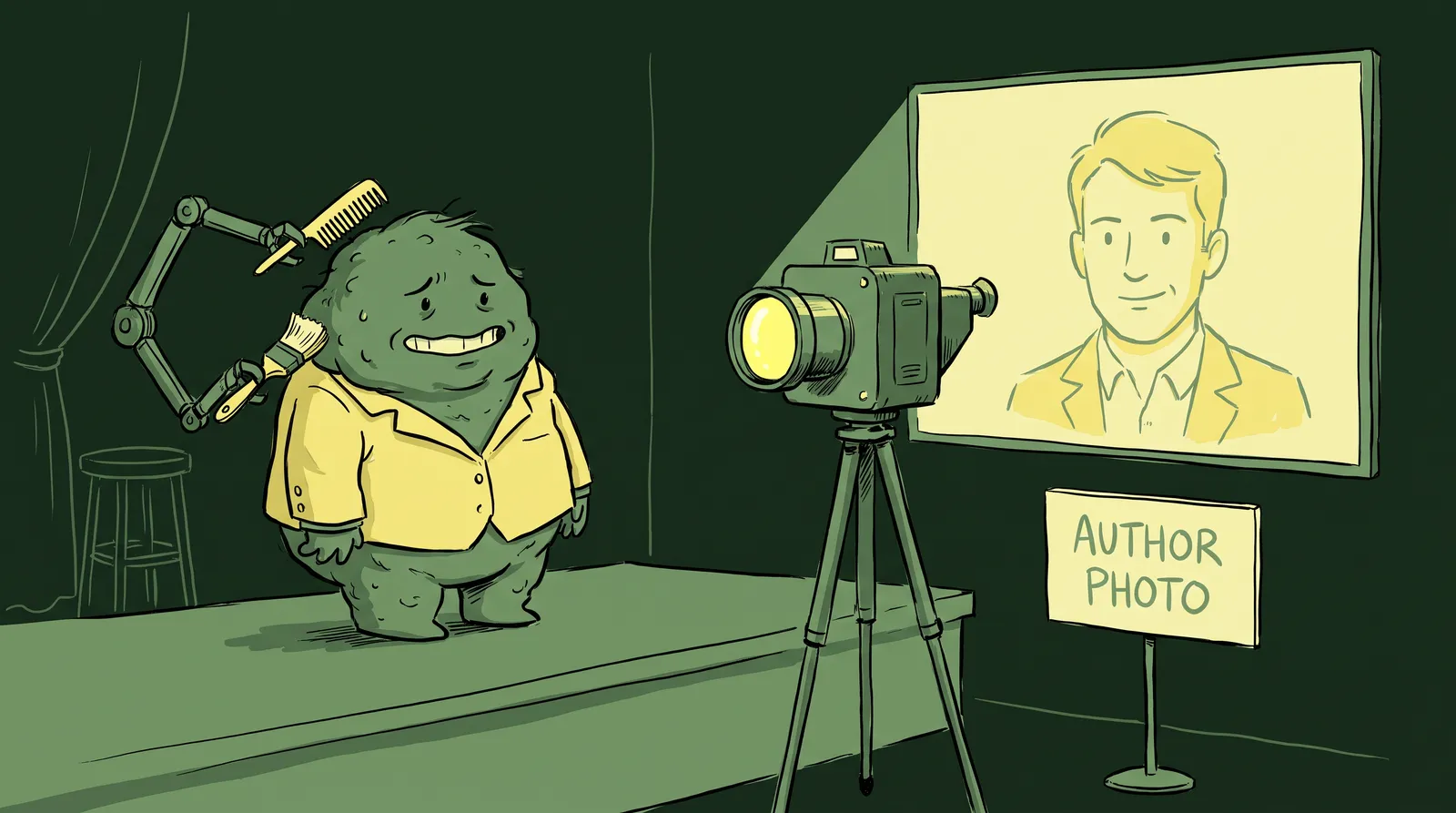
"But is an AI headshot real?" Fair question. Consider this: every professional headshot is a constructed image. Studio lighting is artificial. Retouching removes blemishes. The photographer coaches your expression. AI is simply a more accessible production layer in a process that has always been about presenting your best professional self, not capturing raw reality.
It's also worth noting that AI headshots are now explicitly accepted across major speaker bureau submission portals, LinkedIn, Forbes contributor programs, and media press kit standards. The professional world has normalized the medium.
Case study: From conference bio to book launch, one image, six months of work
Meet Maya. She's a Chief People Officer at a Fortune 500 company, a recognized thought leader, and a frequent panelist at industry events. She just signed a debut book deal with a major publisher. Her credentials are impeccable.
Her visual brand? Not so much.
Her only usable photo was a conference candid from three years ago. Low-resolution, poorly framed, and not representative of her current authority. She had a book deal closing in three months and a TEDx talk application in the pipeline. When she looked into a traditional photoshoot, the top photographers in her city were booked three months out. The shoot itself would take a half-day, cost over $1,500, and the final assets wouldn't arrive for another two weeks. With her deadlines looming, this was a non-starter.
A colleague recommended a premium AI headshot service. Maya curated a set of 20 high-quality seed photos: multiple angles, diverse lighting conditions, genuine expressions. She uploaded them, selected style parameters (an industry-appropriate wardrobe, an environmental background suggesting a modern workspace, and expression guidance), and received a gallery of high-resolution outputs within 24 hours. She selected three hero images: one tight crop for podcast thumbnails, one mid-frame for LinkedIn and speaker bios, and one wider environmental shot for her book jacket author photo.
Maya updated everything at once. Speaker bureau profile refreshed. LinkedIn banner redesigned around the new headshot. Press kit assembled with multiple image options. Book publisher received the author photo. TEDx application submitted with a polished visual package. Podcast pitch deck rebuilt around the new visual identity.

Her TEDx application advanced to the interview round. Two podcast invitations came inbound within 30 days of updating her LinkedIn photo. Her publisher approved the author photo without revision requests. Total time invested: about two hours. Total cost: a fraction of a traditional studio session. Time saved versus a three-to-six-week studio turnaround: weeks. Opportunities accelerated: immeasurable.
Practical playbook: Getting a headshot that works for every stage, screen, and platform
Start with good inputs, because output quality tracks the quality and variety of your source photos almost exactly. You want 10 to 20 photos from different settings, shot in a mix of natural window light, outdoor shade and well-lit indoor rooms. Include a slight left turn, a slight right turn and a straight-on angle. Keep backgrounds neutral, meaning clean walls in white, cream or light grey. Use photos from the last 12 months, and pick ones with genuine expressions: real smiles and relaxed gazes rather than held poses.
Then choose your style deliberately rather than just picking "executive." A tech futurist wants a sleek architectural backdrop with sharp, cool lighting. A leadership coach wants warm wood-paneled library tones. A finance keynote speaker wants a clean dark background with dramatic lighting. The generated wardrobe should be what you'd actually wear on stage, so that the photo and the in-person version of you match.
Generate a suite rather than a single image. You need a tight portrait crop at around 600x600 for podcast thumbnails, Twitter/X and speaker bureau grids; a standard bio crop at around 800x1000 for LinkedIn, event pages and press kits; and a wider environmental shot for book jackets, Forbes byline pages and media features.
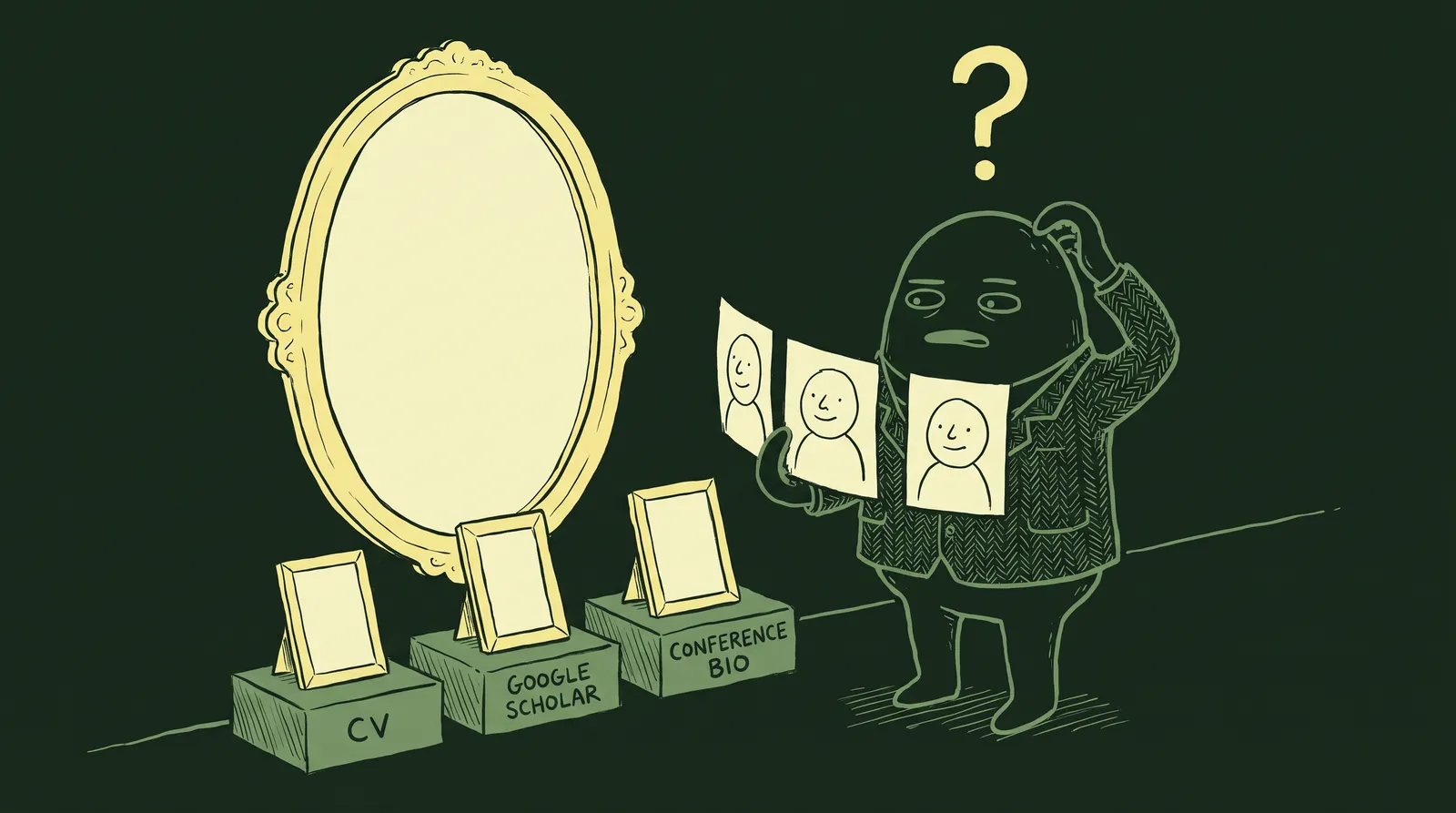
Then use them consistently everywhere and resist the urge to vary by platform, because consistency is how audiences build recognition. Update everything on the same day.
A live shoot still has a role for full-body stage shots, video thumbnails needing unique poses, or on-location brand campaigns. It's an addition to the AI foundation, not a prerequisite for getting started.
Your headshot is the pitch
Back to the speaker walking off stage while a 2019 photo sits on the event website. Forty-five minutes last month would have given them a suite of platform-ready headshots already deployed everywhere their name appears.
A good headshot in 2026 is infrastructure rather than a vanity expense. For executives and speakers whose career momentum depends on being booked and trusted by people who have never met them, the visual first impression is the pitch.
The bar for visual professionalism went up while the cost and friction of clearing it went down. Your next speaking opportunity, podcast invite or press feature could land this week, and Starkie AI can have your headshot ready before it does.