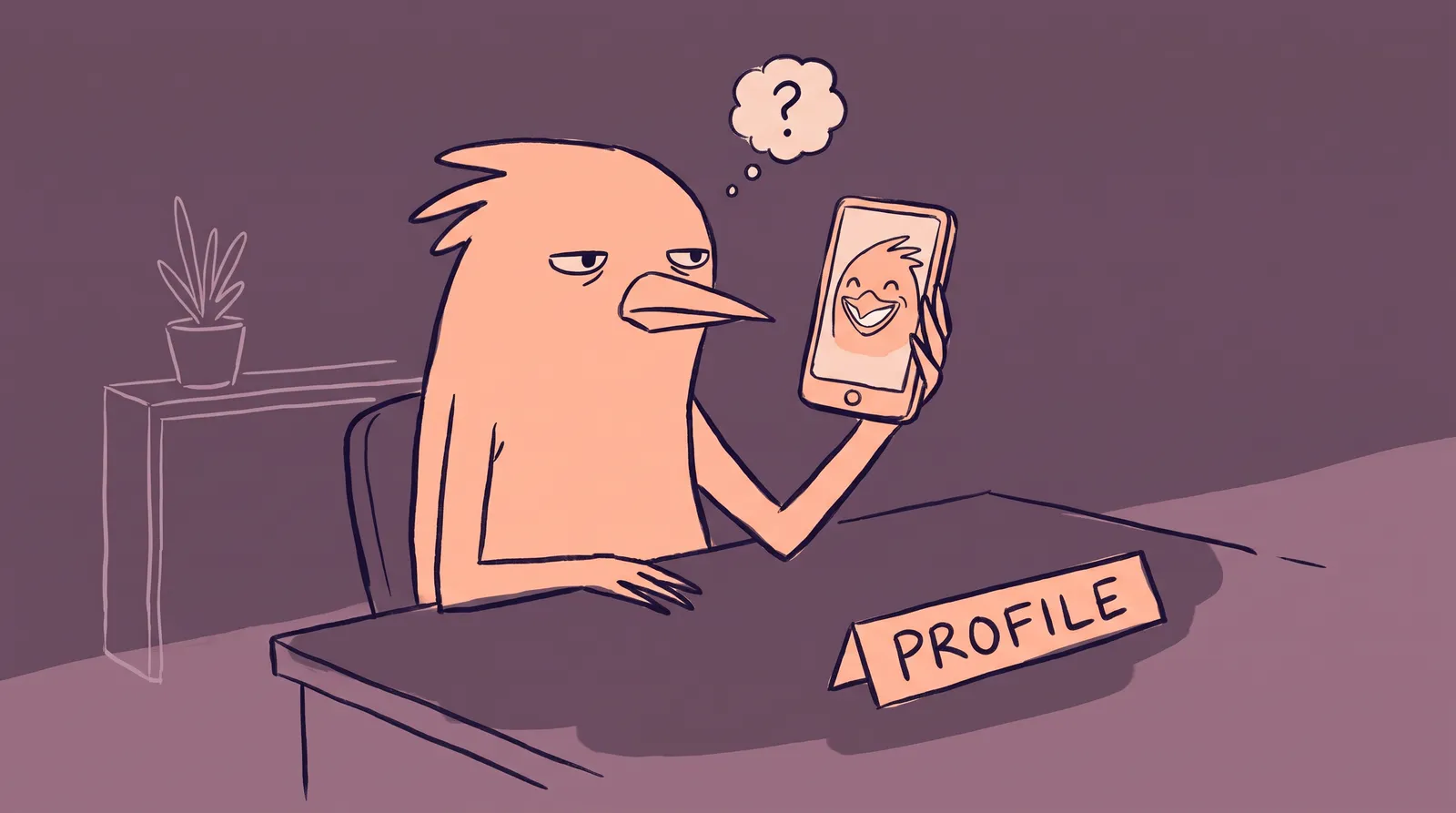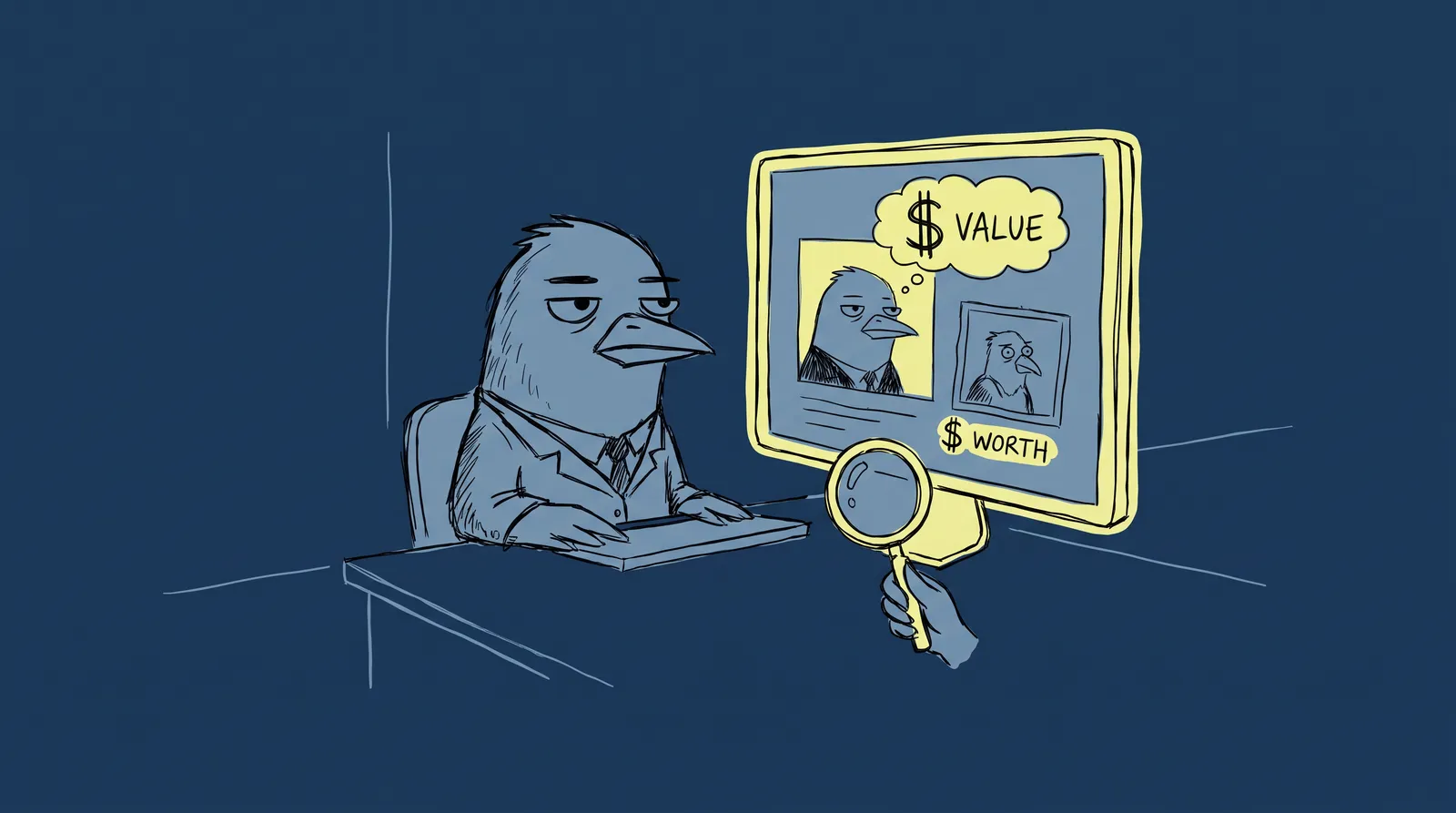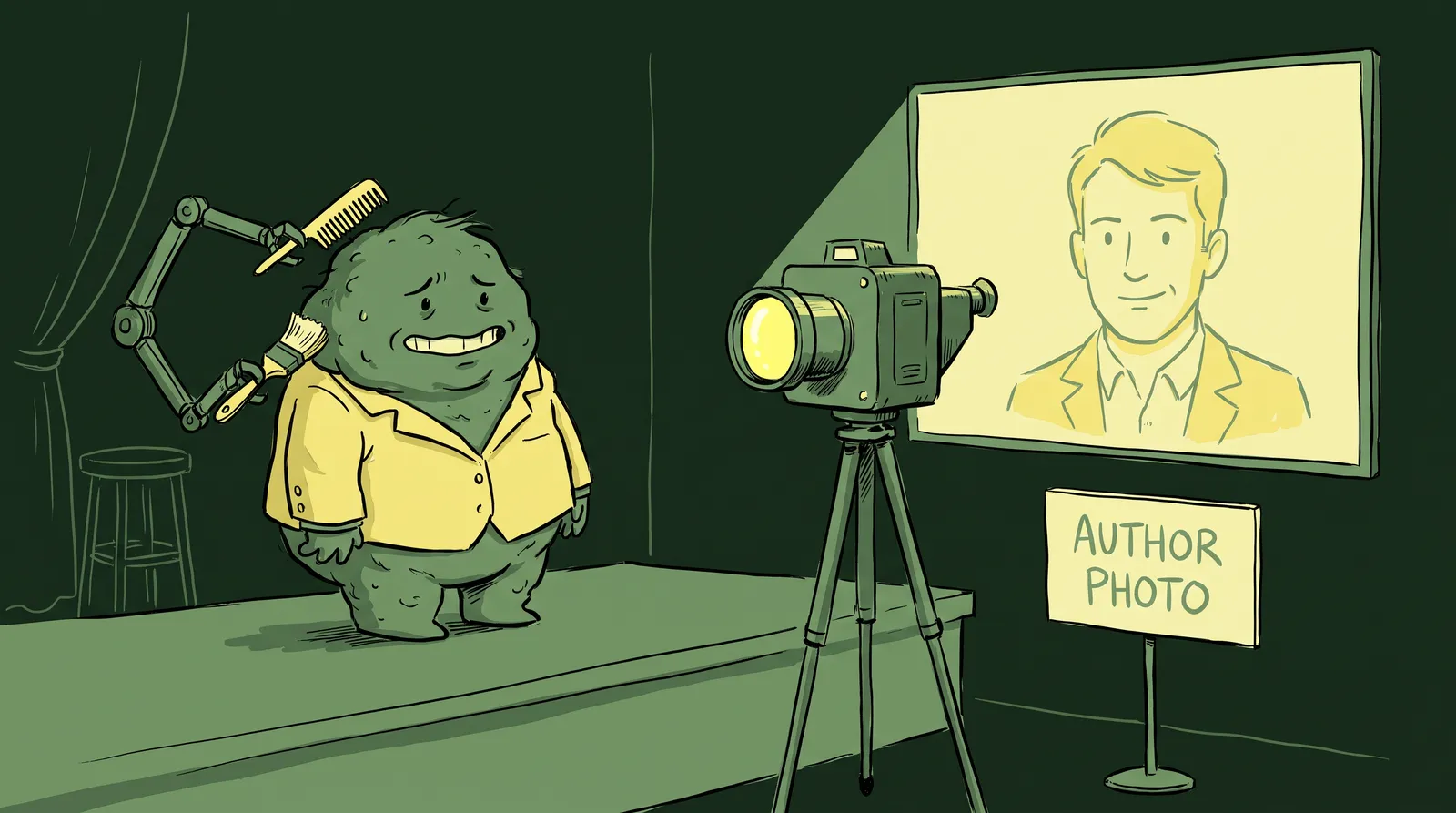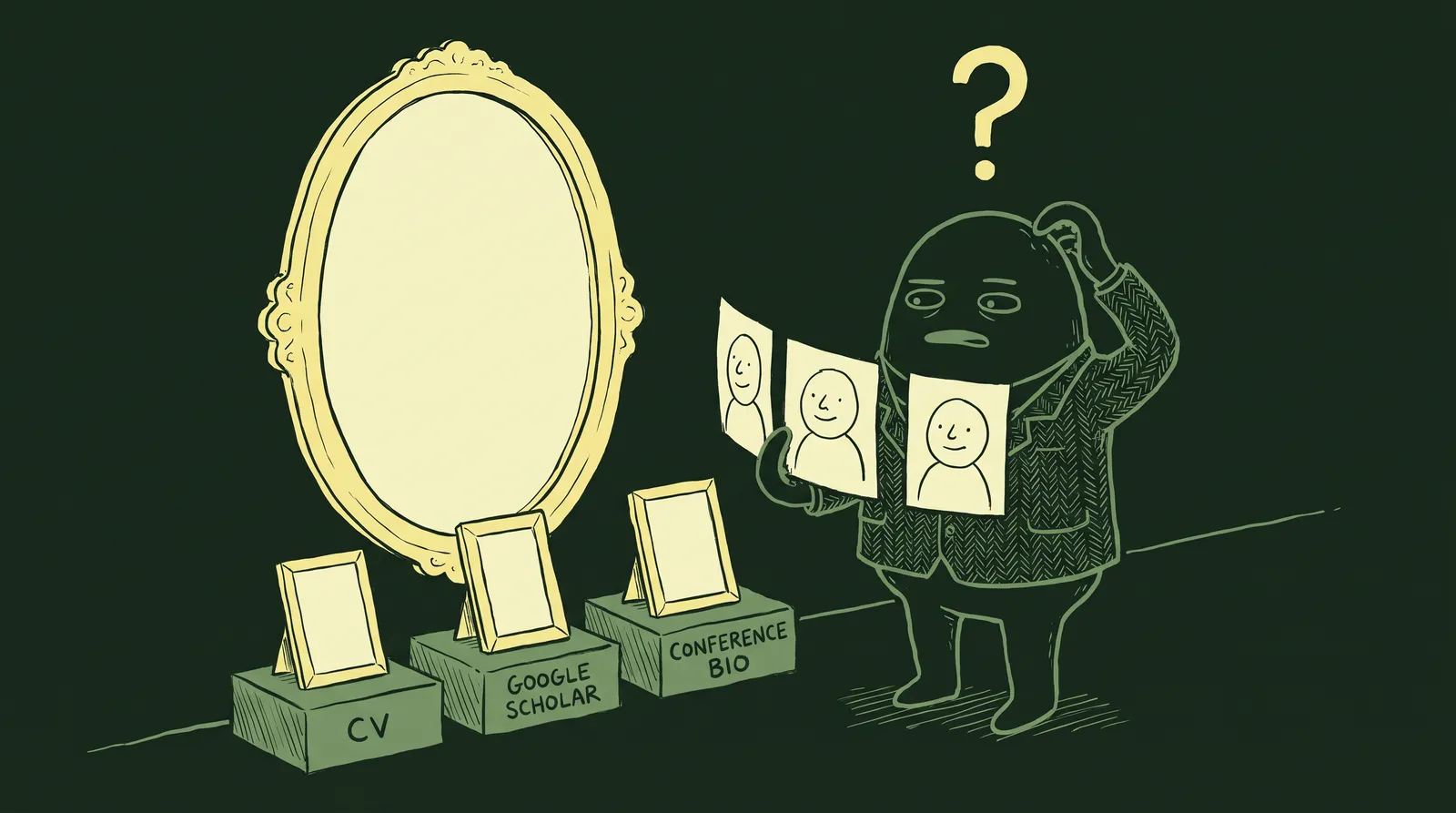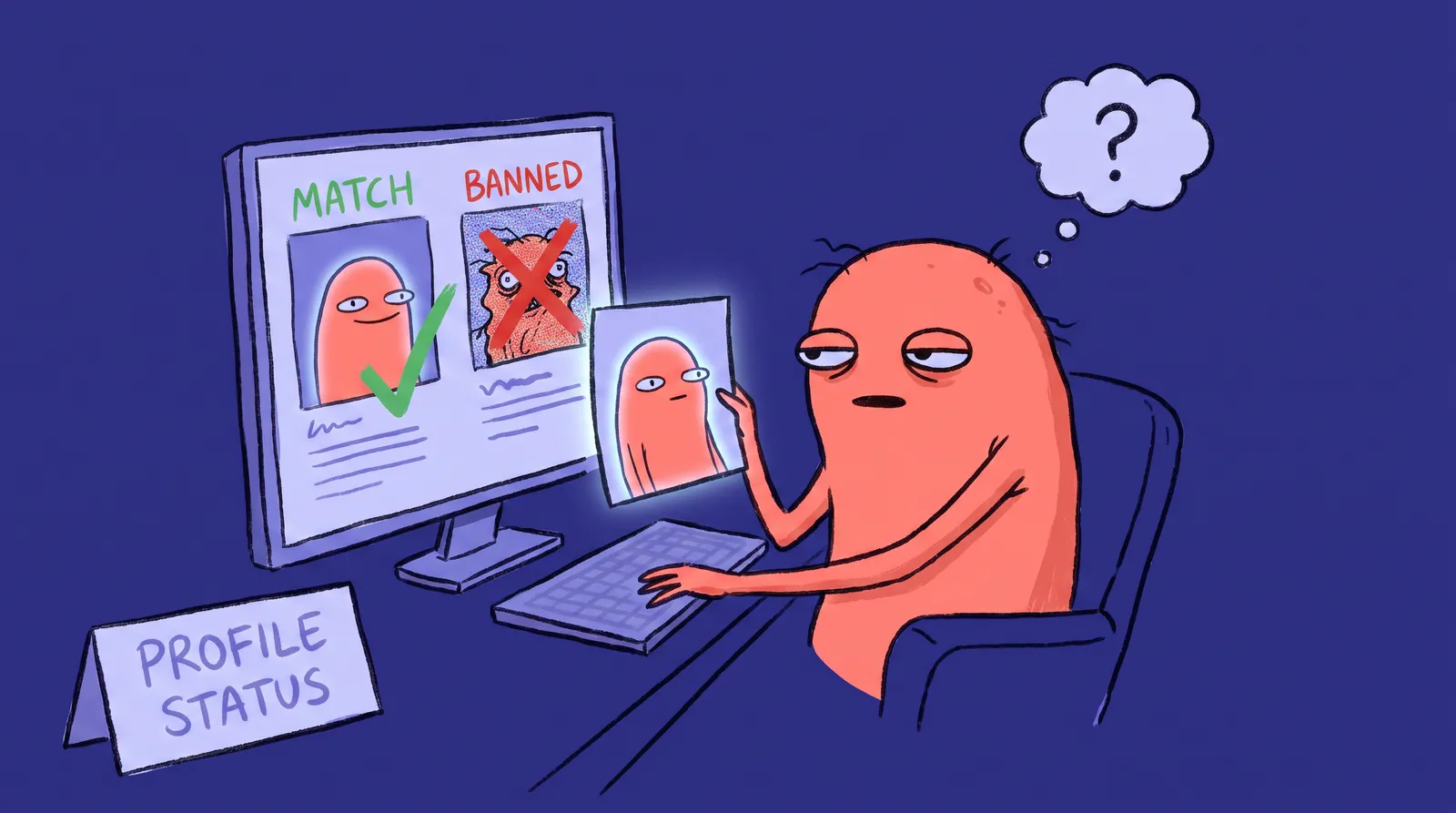
Only 46% of online daters can correctly tell a real photo from a fake one, according to a December 2024 survey of 1,001 U.S. adults conducted by Dynata for Gen Digital. More than half the people swiping through your profile right now would not catch an AI-generated photo even if they tried.
AI headshots have already reshaped LinkedIn, where a slightly too-perfect corporate portrait barely raises an eyebrow. Dating apps are a different environment. LinkedIn connections rarely meet in person. Dating app matches are built around the assumption that they eventually will, and a headshot that does not survive that meeting costs more than an awkward video call. It costs the date.
That gap, between what an AI photo can get away with on a resume and what it can get away with on a dating profile, is what this piece is about: what the apps actually permit, what the research says about how photo editing changes trust, and what holds up once you are sitting across from the person who swiped right.
The trust problem is already bigger than AI
Even before generative AI entered the picture, dating profiles were under more suspicion than most other corners of the internet. In the same December 2024 Dynata survey for Gen Digital, 55% of online daters said they run into a suspicious profile at least once a week, and 40% said they had been personally targeted by a dating scam, with 41% of those targeted actually falling for it. Nearly three in ten respondents, 27%, said they had found their own photos being used in a profile that was not theirs. Gen Digital also reported a 64% year-over-year increase in the number of dating scam attempts it blocked for U.S. users.
That is the environment an AI-generated photo lands in. AI did not cause the distrust. Stolen photos, heavy filters, and years-old photos did that first. But a generated photo shows up to an audience already primed to look for a mismatch, which is exactly why the platforms below have started writing rules for it and building tools to catch it automatically.
What Tinder, Hinge and Bumble allow
None of the three major apps ban AI-generated photos outright. All three ban misrepresentation, and that turns out to be a meaningfully different rule.
Bumble's community guidelines on inauthentic profiles prohibit members from using "artificially-generated photos, or enhanced photos to deceive others," alongside a broader ban on misrepresenting your age, gender, or appearance. The photo itself is not the problem. Deceiving someone with it is. In February 2026, Bumble rolled out an AI photo feedback tool to U.S. users that reviews your existing photos and suggests changes, including cutting back on photos where sunglasses hide your face. That advice lines up with what a neuroscience study found independently, and we will get to it below.
Hinge draws a similar line. Its guidelines allow generative AI images as part of a profile as long as they do not misrepresent your appearance, age, or intentions, and the app still requires at least one clear, current facial photo. A generated photo of your real face, at your real age, in a place you could plausibly be, fits inside the rule. A generated photo that reshapes your face, shaves off a decade, or gives you a body you do not have does not, and that is the version that gets reported.
Tinder has not published a photo-specific AI policy in the same way. Instead, it is building verification directly into the signup flow, which changes the incentive more directly than a written rule ever could.

Face Check makes the mismatch harder to hide
In June 2025, Tinder began requiring new users in California to complete Face Check, a video selfie verification step. In October 2025, Match Group announced it would extend the requirement to more U.S. states, on top of the seven countries, including Canada, Colombia, and India, where it was already mandatory.
The mechanism is a liveness check. Tinder scans your video selfie to confirm a real person recorded it, then builds a facial geometry map (a "FaceMap") and a numerical likeness signature (a "FaceVector") to confirm your profile photos match your actual face. Pass, and you get a Photo Verified badge. Tinder reports that regions running Face Check have seen exposure to bad actors, meaning bots, impersonators, and fake profiles, drop by more than 60%, with reports of harmful or deceptive behavior down more than 40%. Yoel Roth, Match Group's head of Trust and Safety, called it "the most measurably impactful Trust and Safety feature" he has seen in his career.
Match Group has said it plans to bring Face Check to its other apps starting in 2026. If that includes Hinge, the written policy against misrepresentation gets a biometric backstop. A photo that flatters you is one thing. A photo whose facial geometry does not match the person holding the phone is a different problem, and it is one a community guideline was never going to catch as reliably as a selfie video.
What editing does to trust, according to the research
The clearest picture of how photo enhancement affects dating outcomes comes from a 2023 study in Computers in Human Behavior by Markus Appel, Fabian Hutmacher, Theresa Politt, and Jan-Philipp Stein. The researchers took ten unedited photos of young men, used the app FaceApp to create enhanced versions, and asked 241 single women to rate both the original and edited photos as they would appear in a real Tinder profile, on attractiveness, trustworthiness, and dating intention.
The edited photos scored higher on attractiveness and lower on trustworthiness, which is not a surprising trade-off by itself. What is more interesting is what happened to overall dating intention. It went up anyway, because the attractiveness gain outweighed the trust loss in the women's ratings. Editing worked, in the narrow sense that it produced more interest, even while making the men look less honest.
The researchers also found a small negative effect on dating intention that attractiveness and trustworthiness scores alone did not explain, something they suggested might reflect a social penalty for men seen as vain about their appearance. Their sample was limited to women rating men, so the same trade-off may not hold for every pairing, but the core finding is worth sitting with if you are deciding how far to push an AI photo. Enhancement can win you a swipe and still cost you credibility the moment your match notices the gap between the photo and the person.
What makes a photo work, AI or not
A separate line of research points at what makes any dating photo effective in the first place, generated or not. Unravel Research's neuroscience study had 27 participants review 30 mock dating profiles on a Tinder-style interface while wearing EEG and eye-tracking equipment. The team measured brain activity and visual attention alongside plain accept-or-reject decisions. Photos that participants judged more appealing correlated with stronger engagement in a specific frontal brainwave band linked to attention, and that engagement dropped as an image grew more visually cluttered or harder to read at a glance.
Five factors stood out for reducing the mental effort it took someone to decide they liked a photo: high contrast between the subject and the background, minimal visual clutter, a solo subject rather than a group shot, a close-up composition rather than a distant one, and an unobstructed face. Sunglasses had the single biggest negative effect of anything the study measured, the same detail Bumble's photo feedback tool now flags on its own.
None of that is specific to AI. It reads more like a checklist for what a strong photo needs regardless of how it was made. Where AI-generated dating photos tend to go wrong is not usually lighting or contrast, since generators handle that well by default. It is the choices further up the list: an expression that reads as generic rather than like a specific person, or a background that looks staged in a way a real bedroom or coffee shop never does.

If you are going to use one anyway
None of this puts AI photos off limits for dating profiles. It means the margin for error is narrower than it is on a professional network, because the person looking at the photo is deciding whether to meet you.
A few things follow from the research and the policies above. Start from a real, current photo of yourself rather than generating a face from scratch, the same advice that applies to choosing a source photo for any AI headshot generator. Keep the output close to how you look right now, not five years or fifteen pounds ago, since that is the exact gap Hinge and Bumble's guidelines are written to catch, and the exact gap Face Check is built to catch automatically. If a match ever looks surprised by how you appear in person, that surprise is the cost landing.
It also helps to know what makes a headshot look artificial in the first place, since the same tells that give away a corporate portrait, an odd catch-light in the eyes, skin with no texture at all, hands or ears that resolve strangely, show up just as easily in a dating photo, and they are exactly what a suspicious match will screenshot and search. Tools built for AI headshots are generally tuned for professional consistency rather than the casual, current, slightly imperfect look that reads as trustworthy on a dating profile, so treat any AI-assisted photo as a draft to check against a recent, unedited selfie rather than a replacement for one.
The apps are not asking you to swear off editing. They are asking the photo to still be you by the time you are standing in front of your match. Given how much of dating app trust is already fraying, that is a bar worth clearing on your own rather than one you want Face Check to enforce for you.