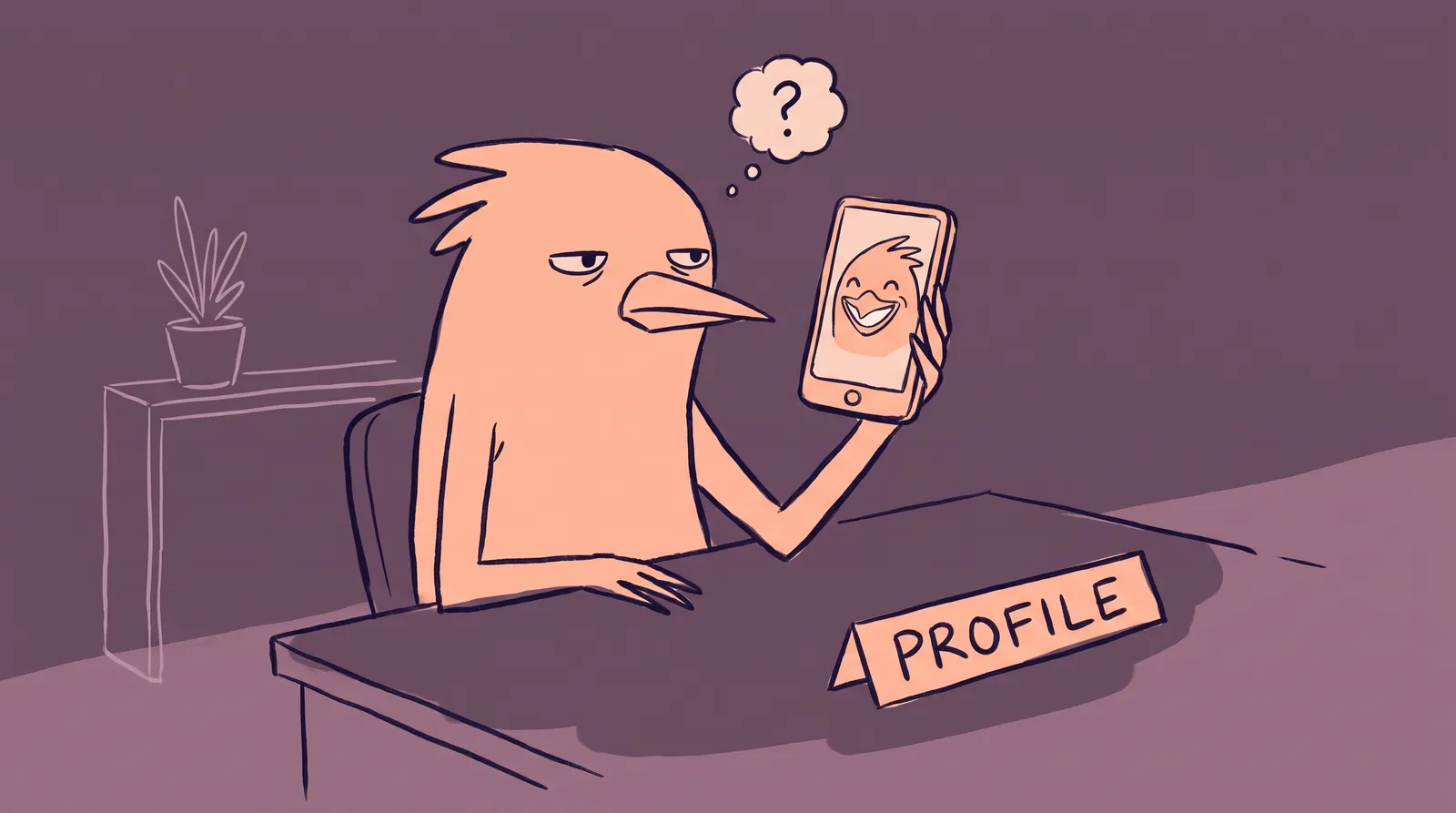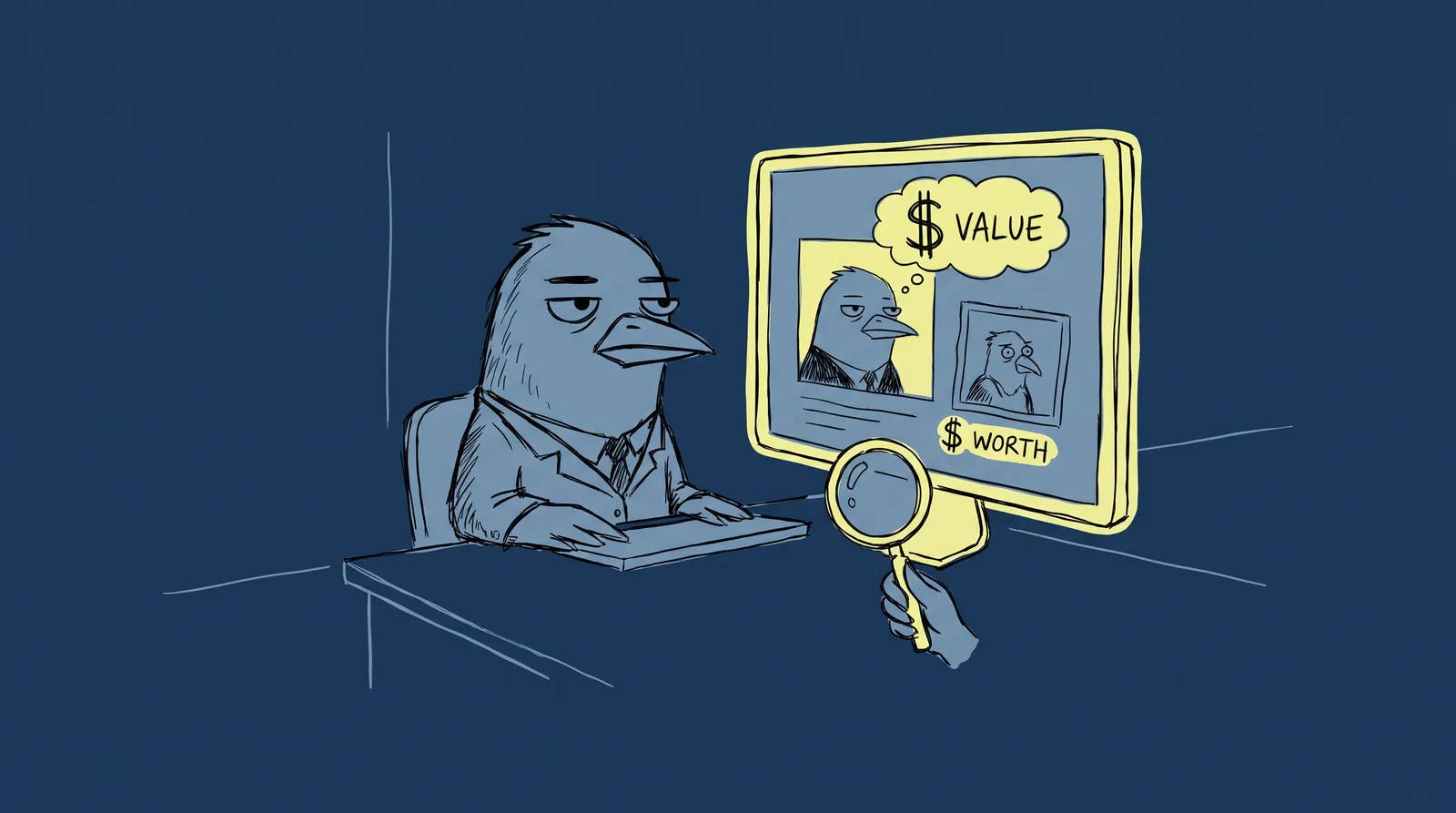
Picture this: a strategy consultant with 18 years of experience submits a proposal for a six-figure transformation project. Her methodology is sharp. Her case studies are compelling. But on the "About the Consultant" page, there's a blurry photo from a 2021 company retreat, slightly off-center, with someone's elbow visible in the background. The contract goes to a competitor with half her experience but a proposal that looks like it came from a top-tier firm. The difference? Visual credibility.
It stings because it shouldn't matter. But it does.
Independent professionals have no corporate brand to hide behind: no McKinsey logo, no team page, no glass-walled office doing the legitimacy work for them. Your face is your firm. And in 2026 the gap between a headshot that looks like a $50 Craigslist job and one that rivals a $2,000 studio session has collapsed, thanks to AI headshot tools.
What follows covers where your headshot is costing you money, what visual signals your particular niche expects, and how to refresh the image without scheduling a photographer.
Your face is your firm: Why visual brand hits differently for independents
When a McKinsey consultant shows up with a mediocre LinkedIn photo, the firm's brand carries them. The logo, the reputation, the implied army of analysts behind them. When a solo consultant does the same thing, there's no safety net. Your headshot does the credibility work that a logo, office address, and team page would otherwise handle.
And that credibility work happens fast. Princeton psychologists Janine Willis and Alexander Todorov found that people form first impressions from a face in under 100 milliseconds, and that trustworthiness is the trait judged quickest. Additional exposure time doesn't change the snap judgment. It just makes people more confident in it.
The numbers back this up. Professional headshots can enhance perceived competence by as much as 75.93%, according to Kelly Tareski Photography. And on LinkedIn specifically, having a professional photo makes a profile 21 times more likely to be viewed and 9 times more likely to receive connection requests.
Now consider the 2026 freelance landscape. The independent workforce continues to grow, with solo professionals competing globally for digital-first clients who may never meet them in person. The photo is often the only physical impression that ever lands.
Unlike employees, consultants appear in their own photo across every touchpoint simultaneously. LinkedIn. Website bio. Proposal PDFs. Calendly booking pages. Email signatures. Podcast guest bios. One bad photo doesn't just sit quietly in a corner. It does damage at scale.

Before you fix the photo, though, you need to understand exactly where it's costing you the most.
The high-stakes moments: Where your headshot wins or loses the deal
Your headshot is doing active sales work at specific moments in your client acquisition process. Five of them matter most.
Proposal decks and RFP responses come first. The "About the Consultant" page is often the first thing a buying committee flips to. A photo that signals warmth and authority can be the tiebreaker between two equally qualified finalists. One fractional CFO reported that her discovery call conversions from proposals improved noticeably after she refreshed her headshot from a casual event photo to a polished, authoritative portrait.
Speaker bio pages and conference submissions come next. Event organizers receive dozens of pitches. In a survey of event organizers, 78% stated that a clean, professional speaker headshot significantly increases audience interest in a session. A sharp, high-contrast headshot signals you take your brand seriously and reduces the friction of saying yes to an unknown name.
Booking pages are the moment of highest purchase intent. A prospect is about to book a paid discovery call. A photo that looks warm and credible reduces last-second drop-off. A dark, casual, or outdated photo plants a seed of doubt right at the conversion point.
Cold outreach and LinkedIn connection requests are noisier than ever in 2026. That tiny circular profile photo next to your name is the first thing a prospect sees. It's either working for you or against you before a single word gets read.
Podcast appearances and media features are the last. Show notes, guest pages and social promotion cards all pull your headshot. A pixelated or poorly lit photo reflects on the host too, making bookers more likely to pass on a guest whose image doesn't reproduce cleanly at multiple sizes.
For professional service providers, a polished visual appearance can increase website conversion rates by up to 14%. If you want concrete data before committing to a refresh, tools like PhotoFeeler let you A/B test headshots against real human feedback on competence, likability, and influence.
The style-to-niche match: What your headshot should signal for your specific work
Most consultants get a "professional headshot" and consider the job finished. But a generic professional photo says nothing specific, and different niches ask for different signals.
Strategy, finance and operations consultants want authoritative framing. Direct eye contact. Clean neutral backgrounds, ideally dark neutrals like navy or charcoal. Structured clothing like a full suit or sharp blazer. Confident posture. The visual message: "I will make hard decisions and be right about them." According to Capturely, dark neutral backgrounds are the industry standard for these roles because they signal authority and trust. Overly warm or casual photos can undercut perceived expertise in high-stakes advisory contexts.
For coaches, therapists and people-focused consultants, approachability and warmth are the conversion levers. A slight smile. Softer lighting. Warmer backgrounds. Clients hiring a coach are making a vulnerable decision. The photo needs to say, "You can trust me with your real problems."
For creative consultants, brand strategists and designers, the headshot itself is a portfolio piece. It should reflect taste, intentionality, and a distinct point of view. A creative professional with a generic corporate headshot creates a dissonance that savvy clients notice immediately.
For technical consultants, developers and data professionals, clarity beats charisma. A clean, well-lit, sharply focused photo signals precision and attention to detail, which mirrors the work itself.

The expression matters too. For most consulting niches, the "classic modern" look works well: a slight, confident expression rather than a full forced grin. HeadshotPhoto.io notes this reads as authentic and knowing, which is exactly the energy most consultants want to project.
Case study: How one fractional CMO refreshed her visual brand and raised her day rate
Consider a fractional CMO with 15 years of experience, strong client results and a clear niche in B2B SaaS. Her LinkedIn photo was taken at a company event in 2021: slightly off-center, busy background. Profile visits were high; her conversion from inbound inquiry to actual conversation was not.
The audit moment came when she reviewed her own proposal decks from a prospect's perspective. The "About Me" page felt mismatched with the premium positioning of her services. The photo looked like someone attending a conference, not someone running marketing for a $20M company.
Using only smartphone photos taken in good natural light, she generated a series of AI headshots through Starkie, experimenting with backgrounds, clothing, and expression before landing on a version that felt authoritative but approachable. Total time investment: under an hour. Total cost: a fraction of a traditional photoshoot.
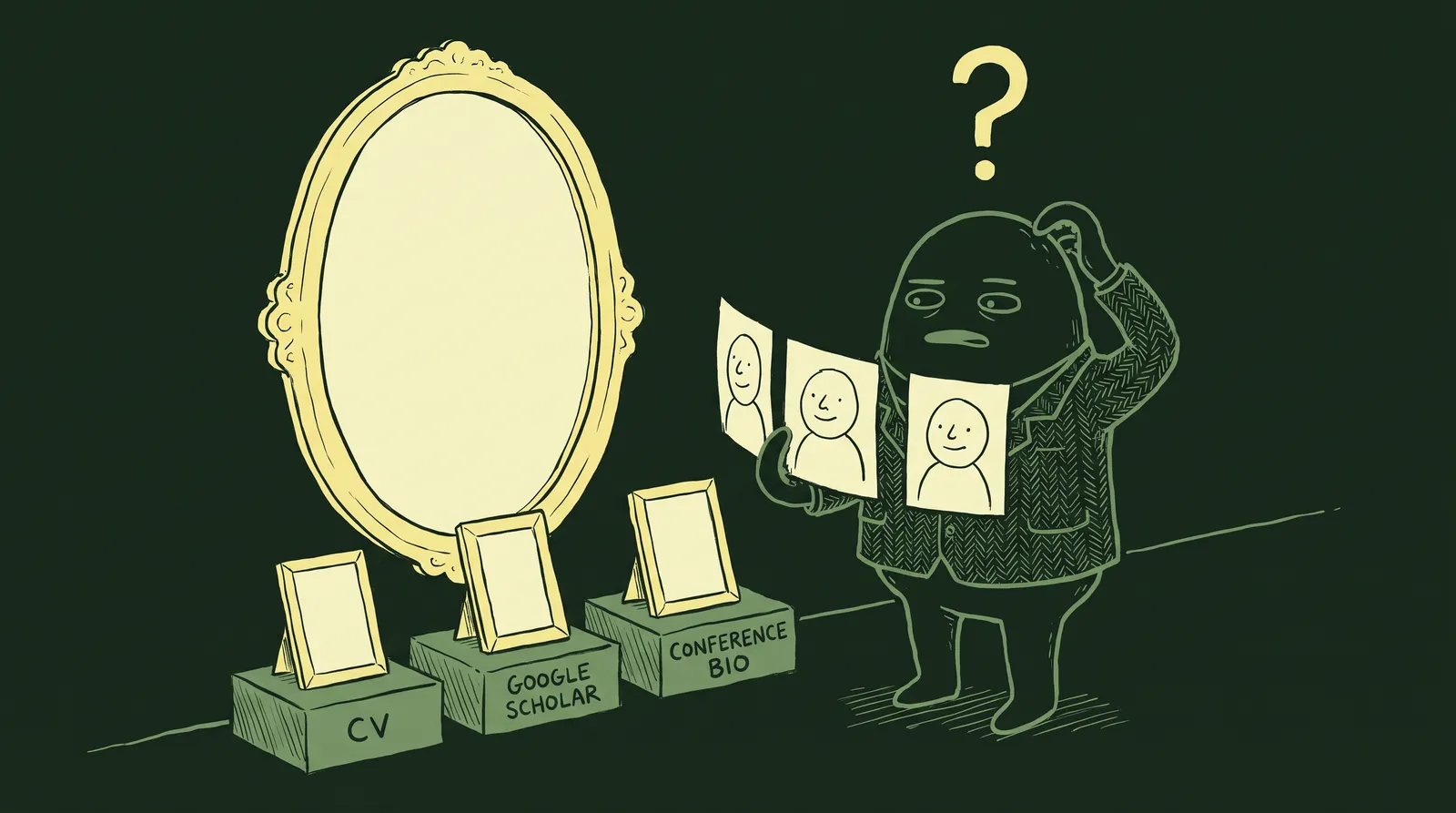
Then she did something most consultants skip. She updated every surface simultaneously: LinkedIn, website bio, proposal template, Calendly, email signature, and her speaker one-sheet. For the first time, she had visual consistency across all client touchpoints.
The lesson isn't really about one photo. It's that visual consistency compounds, because every touchpoint reinforces the same message. The return comes less from the headshot than from the across-the-board upgrade it makes possible.
Seasonal refreshes and visual momentum: How to keep your brand current
A headshot has a shelf life. Not just because you physically change, but because visual trends, industry context, and your positioning evolve. According to branding experts cited by Capturely, three years is the absolute maximum shelf life for a headshot. After that, changes in appearance and style cause the image to date you. And 56% of professionals have reported meeting someone who looked significantly different from their headshot, creating a moment of dissonance that erodes trust before a word is spoken.
Historically, refreshing meant scheduling a photographer, investing $300 to $1,500 or more, waiting weeks for editing, and often receiving images that looked similar to what you already had. That friction meant most consultants simply didn't refresh.
AI has changed that equation. A traditional photoshoot in 2026 runs $150 to $700 or more for three to 15 edited images, takes one to three weeks to come back, and costs you two and a half to four hours including travel and prep. An AI generator runs $15 to $79 for 40 to 200 variations, turns around in 30 minutes to three hours, and takes 10 to 30 minutes of your time from your couch.
With AI tools, you can generate new headshots seasonally, adjusting styling, background, and tone to match new positioning or a shift in target clientele. Practical triggers for a refresh include launching a new service offering, preparing for a major speaking engagement, shifting your target client seniority (say, from mid-market to enterprise), or simply starting a new business year when you're refreshing all brand assets anyway.

Independent professionals who treat their visual brand as a living asset, rather than a one-time checkbox, build a compounding brand presence over time. Each refresh reinforces that they are active, current, and invested in their professional identity.
Using AI headshots without losing authenticity
The obvious worry is whether people will know it's AI.
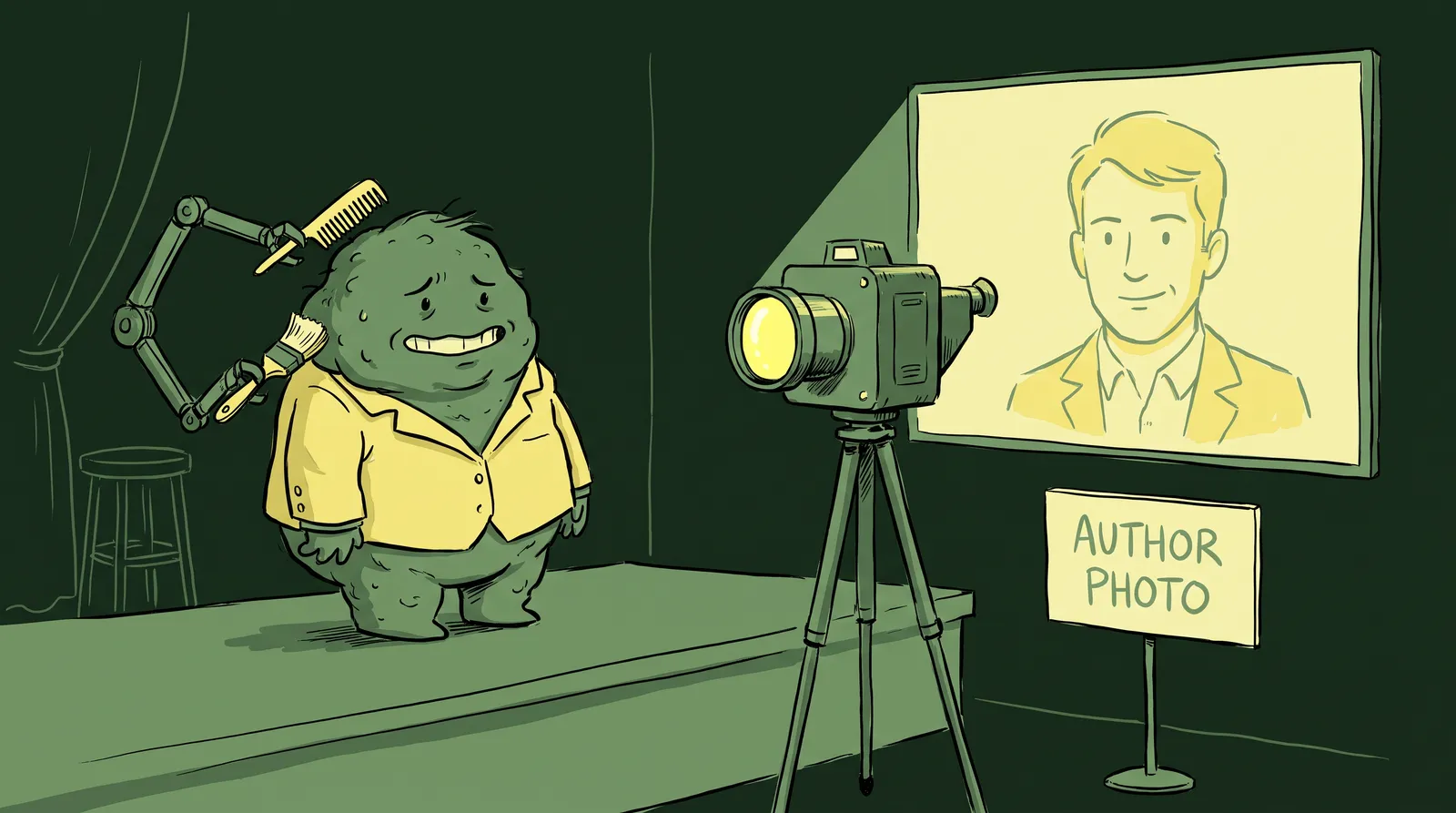
Probably not. User surveys from early 2026 show that 73% of people cannot distinguish a high-quality AI headshot from traditional photography at standard LinkedIn resolution. The more important point is that an AI headshot isn't meant to fabricate a different person. It presents the most intentional version of the person you already are, the same way a skilled photographer uses lighting, angles and framing to do it optically.
Output quality depends heavily on input quality, so the source photo strategy matters.
Ten to 20 varied photos is the sweet spot: too many dilutes the result, too few starves it. Give it a range of expressions, from confident smiles through approachable neutral to serious, because the model needs to see how your face moves. Vary the angles between front-facing, three-quarter and profile. Mix natural daylight, golden hour and indoor setups so it can read your facial structure under different conditions. Leave out anything with heavy filters, beauty mode, sunglasses or hats.
One thing that helps more than it should: mixing your standard selfies with two or three back-camera photos, portrait mode on a modern phone being fine, adds skin texture detail that raises the realism of the output.
When choosing your output style, revisit the niche framework from earlier. Background color, simulated lighting, clothing appearance, and expression intensity all send specific signals. Make those choices intentional, not random.
As for where each belongs: AI headshots suit LinkedIn, proposal decks, email signatures, booking pages, podcast bios and social profiles. For keynote speaker reels, book covers or major publication features, keep the studio session for those hero moments and use AI for everything else.
The Starkie workflow is built for non-designers and time-pressed solo professionals. Upload your source photos, select your style preferences, review and select from generated outputs, and download in multiple formats. The whole process takes less time than commuting to a photography studio.
Your headshot is a business development tool
Let's return to that consultant from the opening. She didn't lose the contract because of weaker credentials. She lost it because of weaker visual presence. In a world where independent professionals compete globally, get evaluated digitally first, and carry their personal brand into every client interaction, a professional headshot is not a vanity expense. It is a business development tool with a measurable return.
The playbook comes down to four things. Know the moments where your headshot is doing sales work on your behalf: proposals, speaker bios, booking pages, cold outreach, media features. Match your visual style to what your niche expects, meaning authority for strategy, warmth for coaching, taste for creative work, precision for technical roles. Treat the visual brand as a living asset, refreshed seasonally and updated everywhere at once. And use AI tools to remove the cost barrier that has kept independent professionals underinvested here for years.
The consultants winning the best clients in 2026 aren't always the most credentialed. They're the ones who made it easiest for the right clients to say yes.
Generate your AI headshot on Starkie.ai when you're ready to fix yours.